By the way, if anyone wondered why I had mentioned the Alyscamps (which, incidentally, means the Elysian Fields) yesterday but then not been there – we ran out of time! Next time maybe.
After a snooze with my book an the sofa this morning, Anne and I went to the centre of.Montpellier. Although there is acres of urban sprawl, the centre is based around a network of medieval streets.
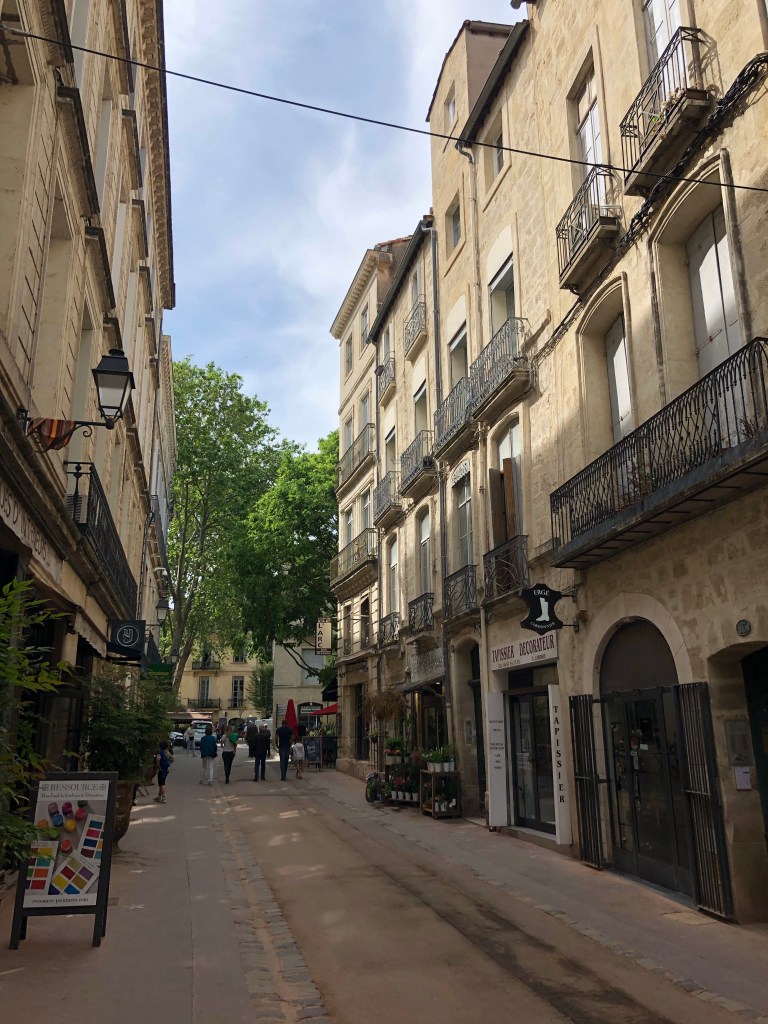
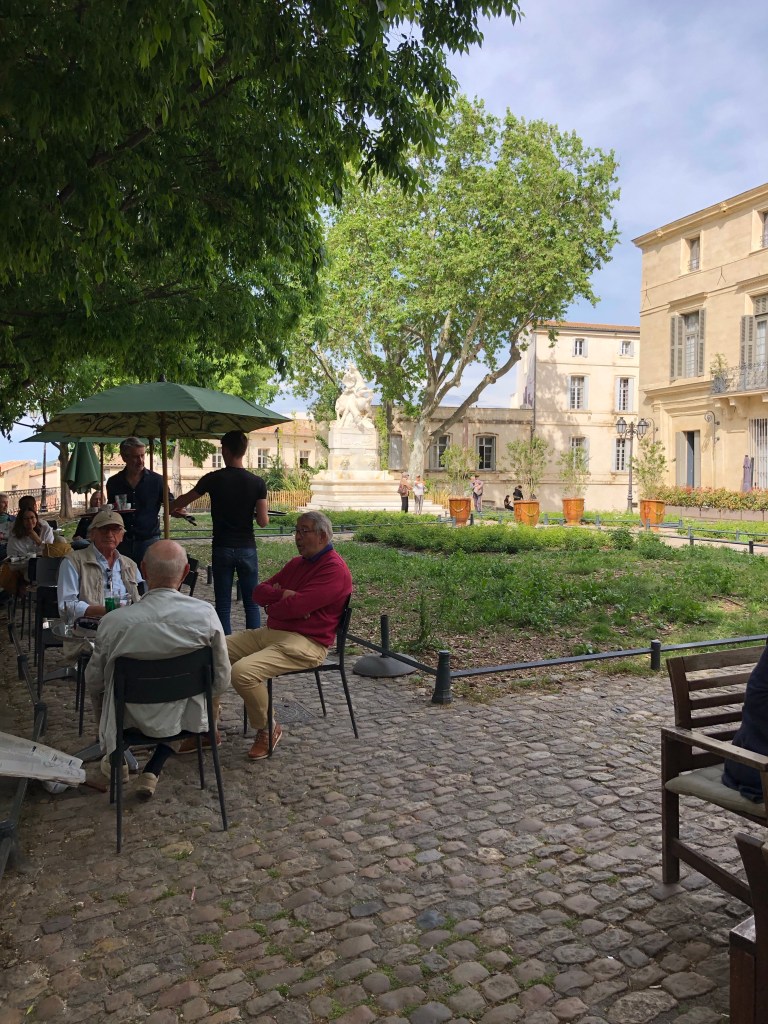
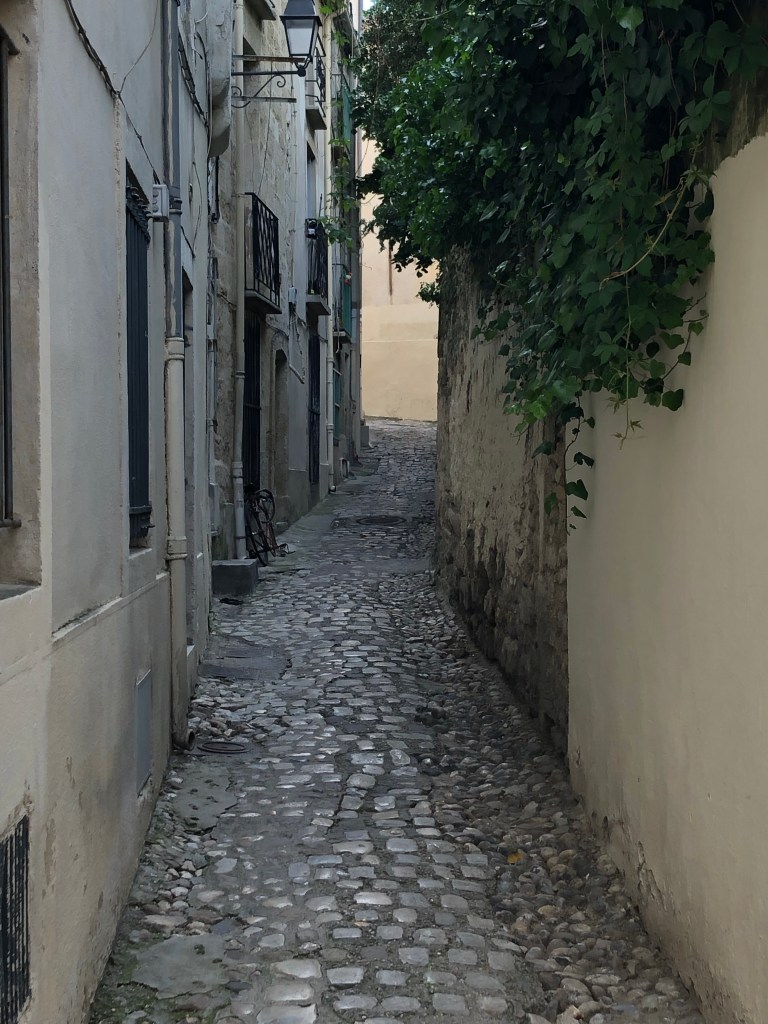
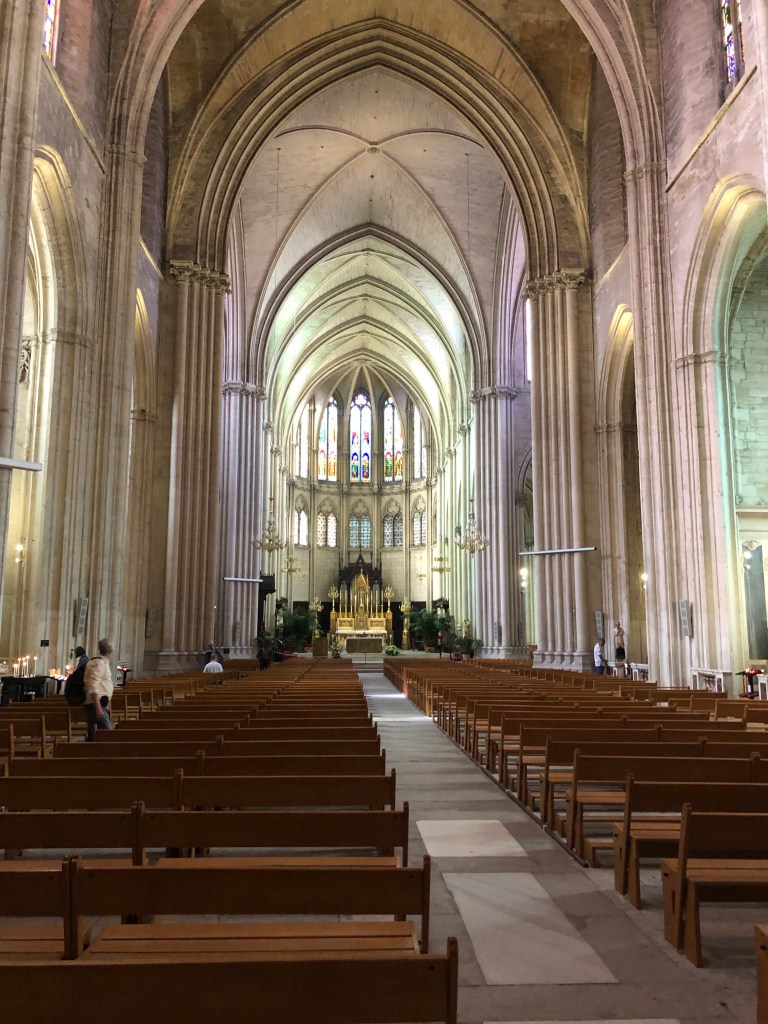
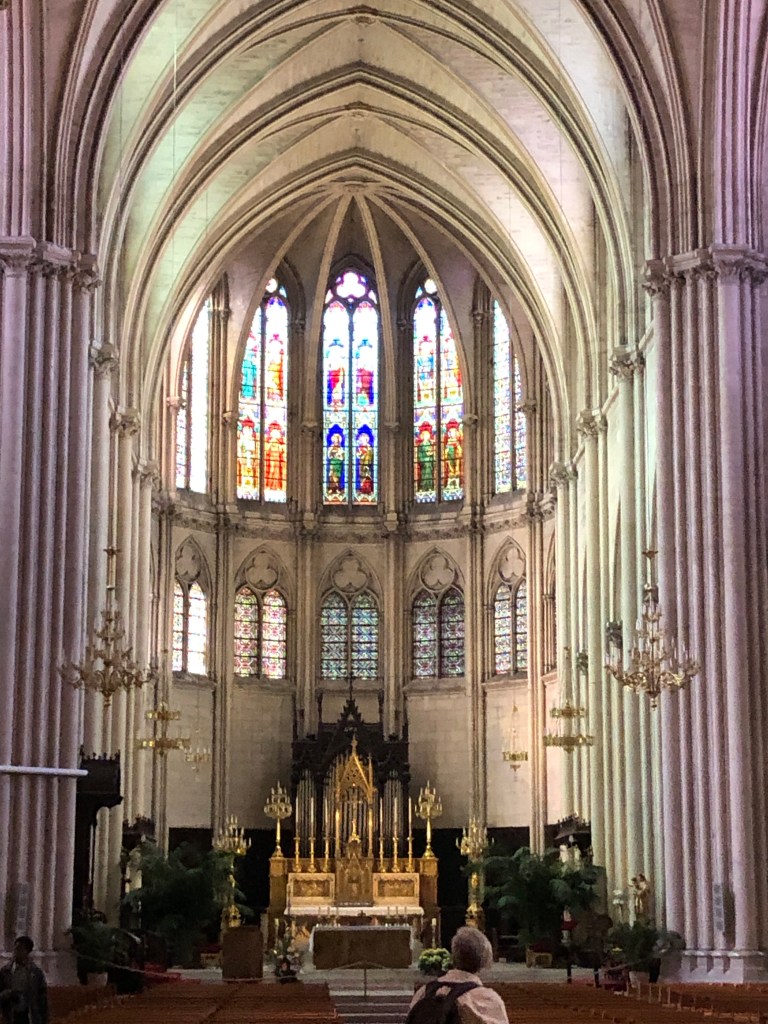
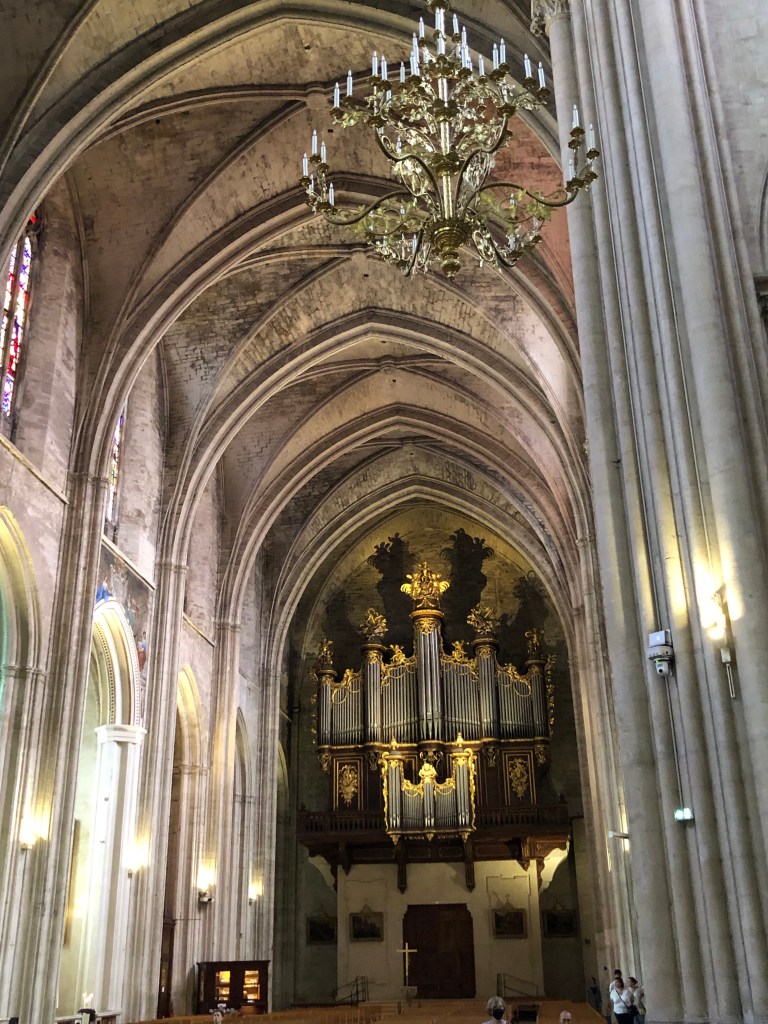
Following wandering, coffee and buns in a tree shaded cafe, we went to the cathedral. This is very austere, in a mid Victorian counter- reformation style and looks as if it could do with some repairs to the roof. Apparently it was originally built in the 14thC as a monastery church and became the cathedral in the 16thC when the bishop moved there. It was also fortified and Protestant / Catholic battles fought over it in the 16thC Wars of Religion. Heavily rebuilt in the 19thC.
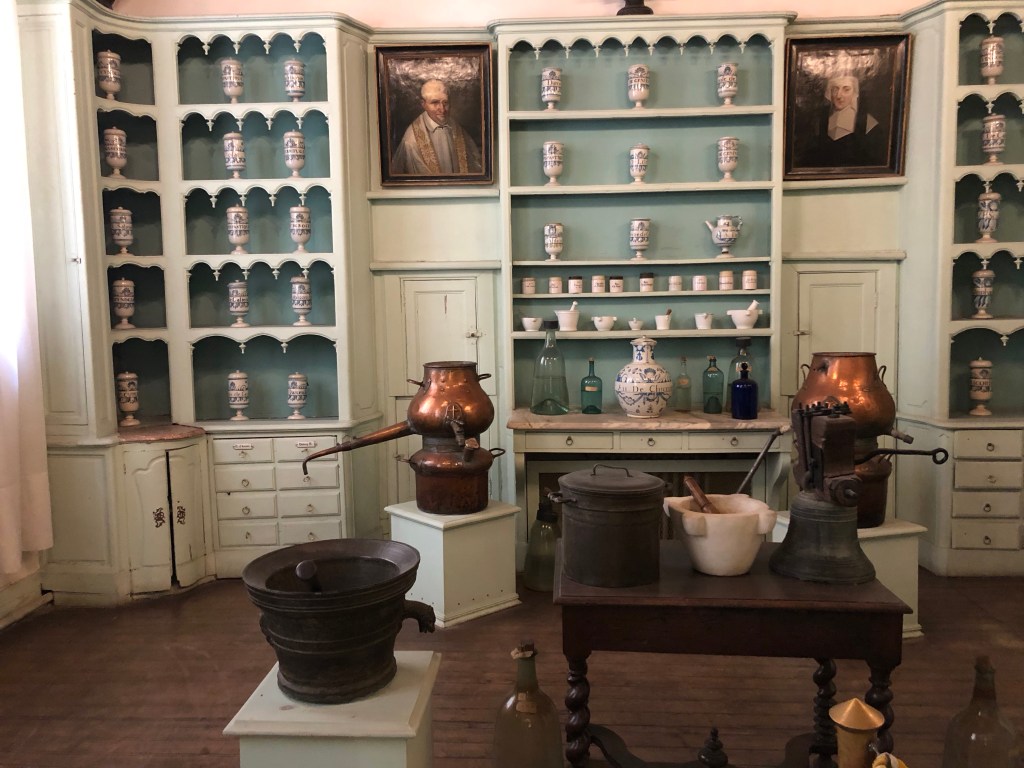
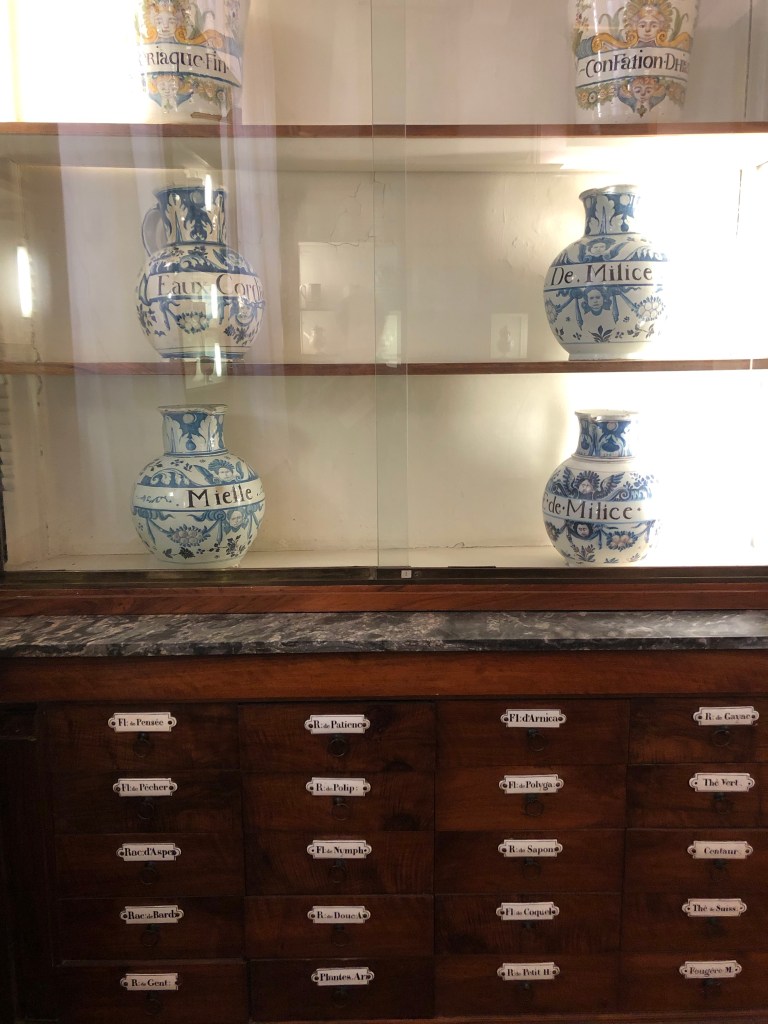
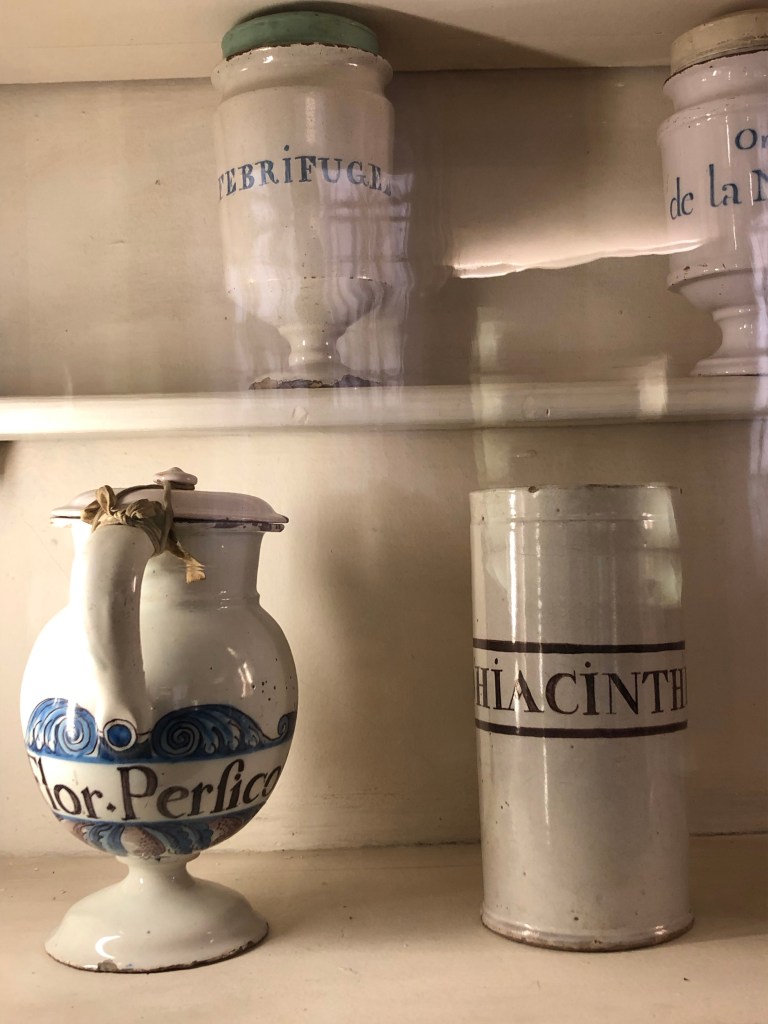
We also visited an old pharmacy and chapel, built on the site of the old mint (Rue de la Monnaie) by the ladies of the Oeuvre de la Misericorde. This was a charitable organisation, started during the siege of the city by Louis XIII (who was still fighting the wars of religion) by women organising help for the poor and sick. Together with the Filles de la Charite (nuns), they ran a school for poor girls and then, when they were left the house that this establishment is in in 1715, they started the pharmacy. As time went on, they bought other buildings around and added a laundry, kitchens etc.
The pharmacy is in two rooms and remains as it was when it closed in 1965. The 18thC room contains a wide range of pots and bottles of the period. This was the only pharmacy for the poor during the 18thC Plague epidemic and was connected with the charitable hospital. The other room opened in 1834. The pictures are of the various benefactors.
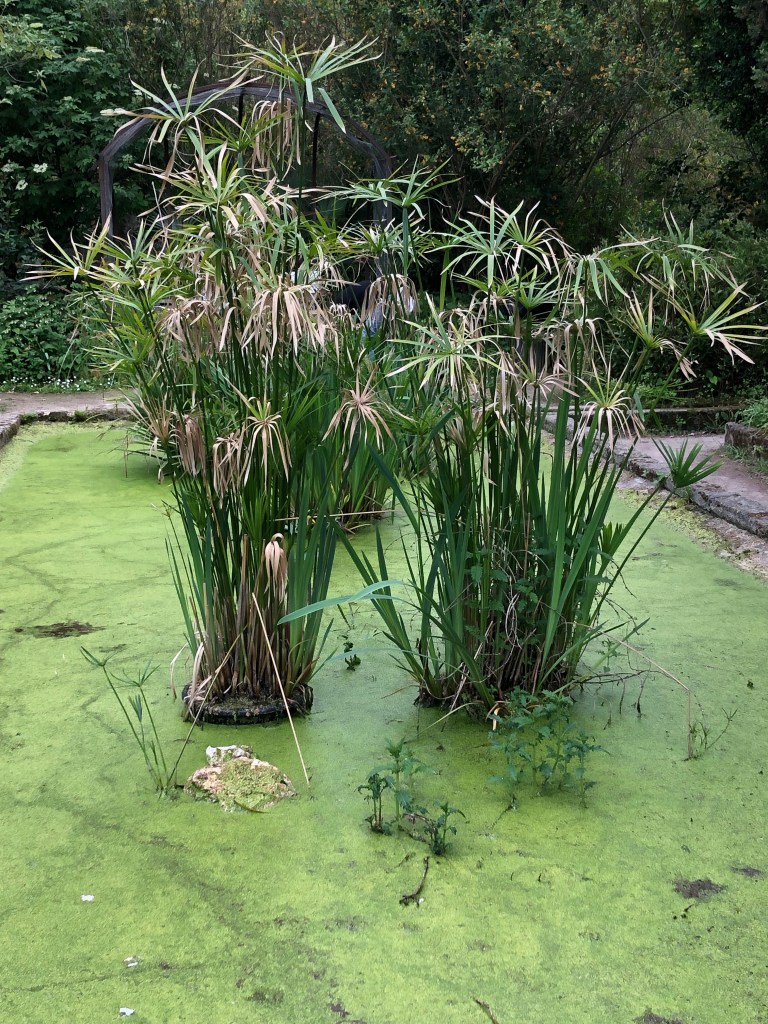
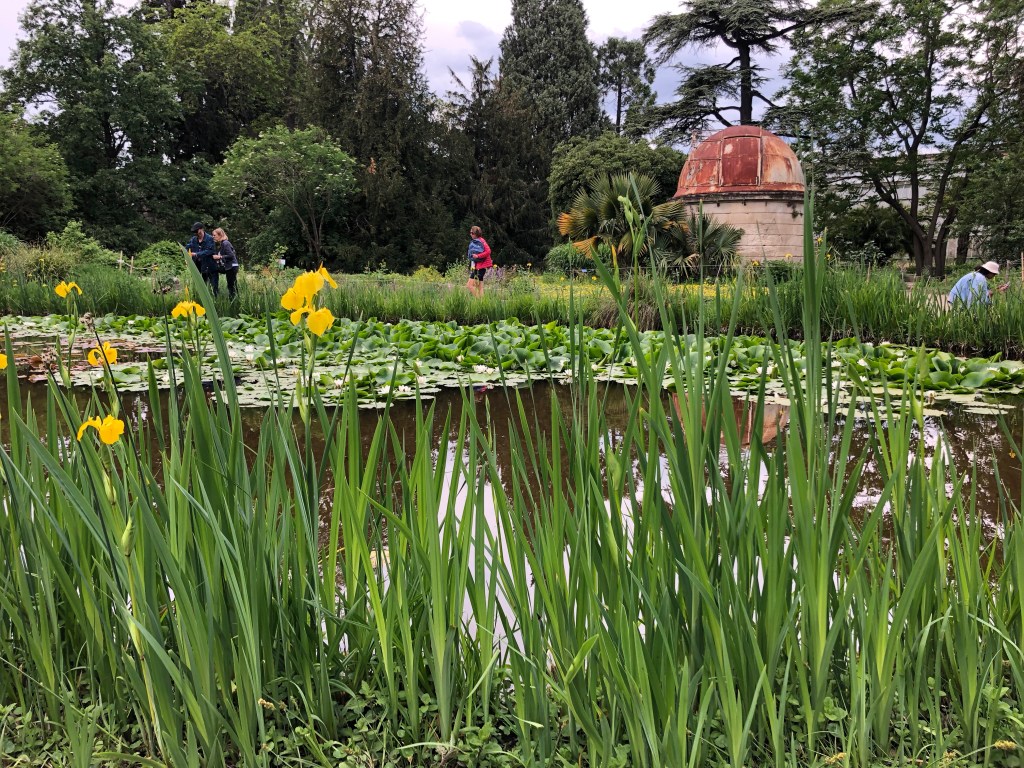
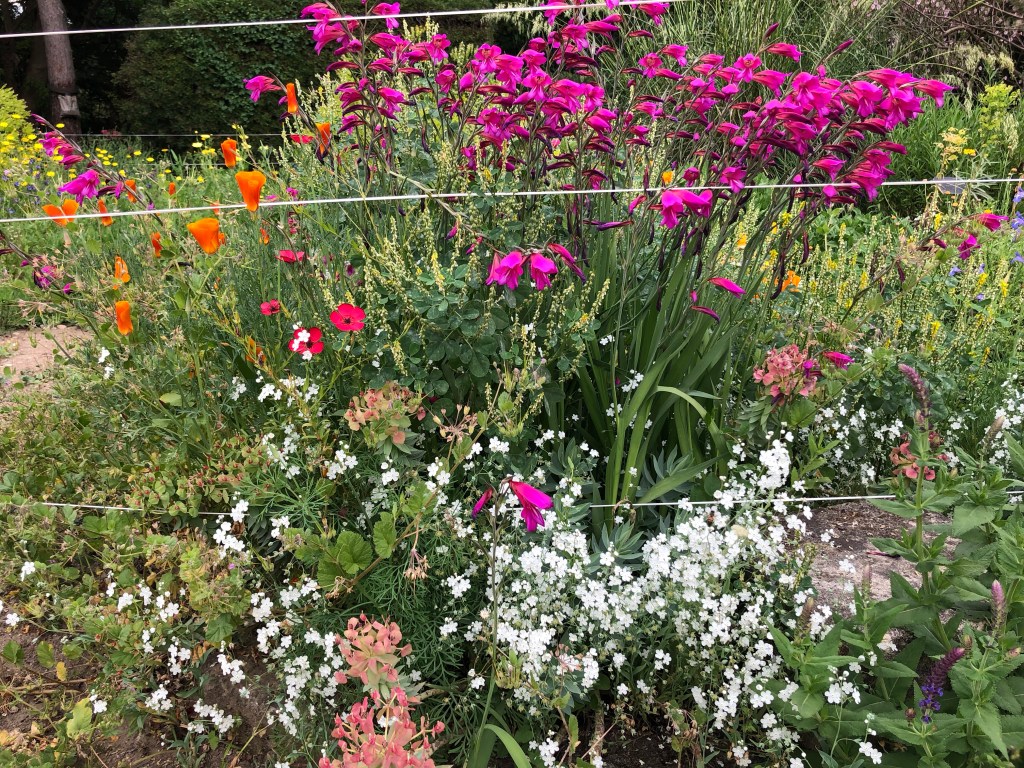
Also visited – the Jardin des Plantes. This belongs to the university and was founded by Henry IV in 1593 as a source of medicinal plants for the School of Medicine.

 The Retirement Travels