This is a visit to the land of my fathers (or father, at least). Although my grandparents died in the early 60s, I remember snippets of things when they were alive. Dracula, for example, was never mentioned and you did not have to pay to walk up to see the Abbey.
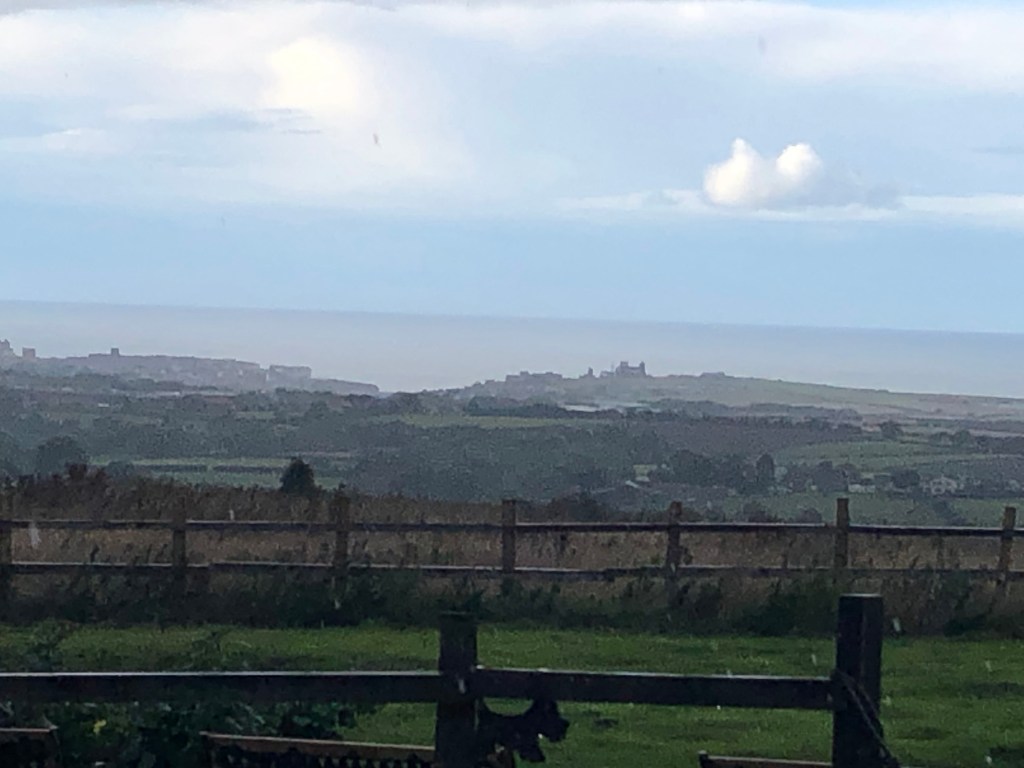
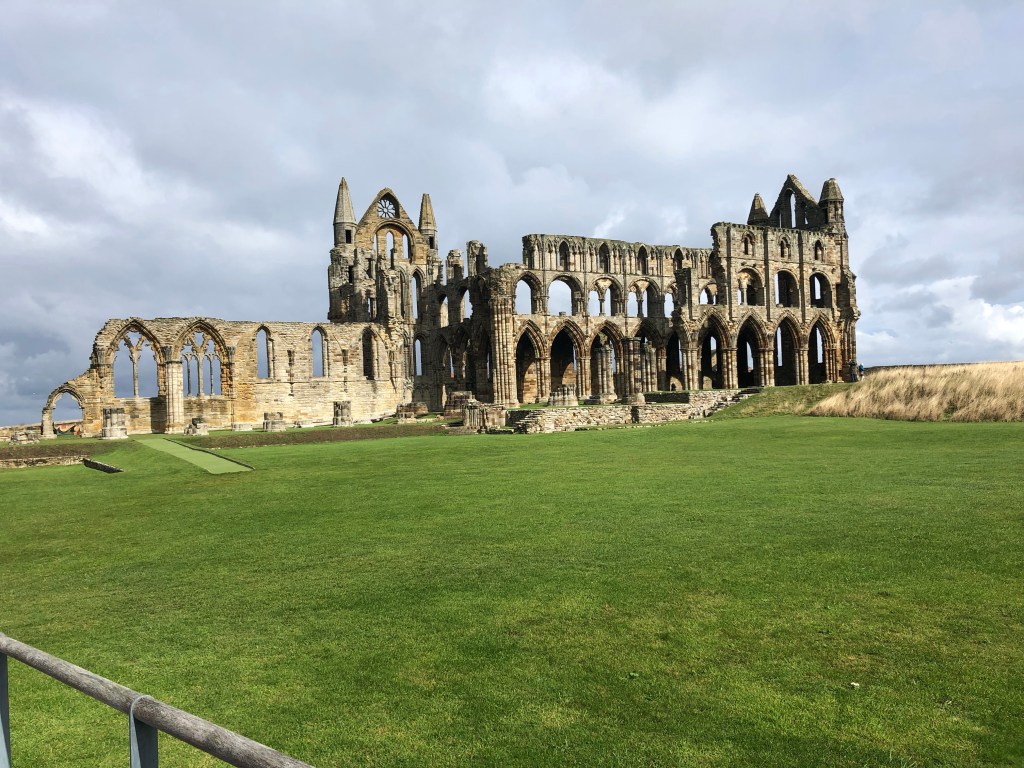
Whitby Abbey
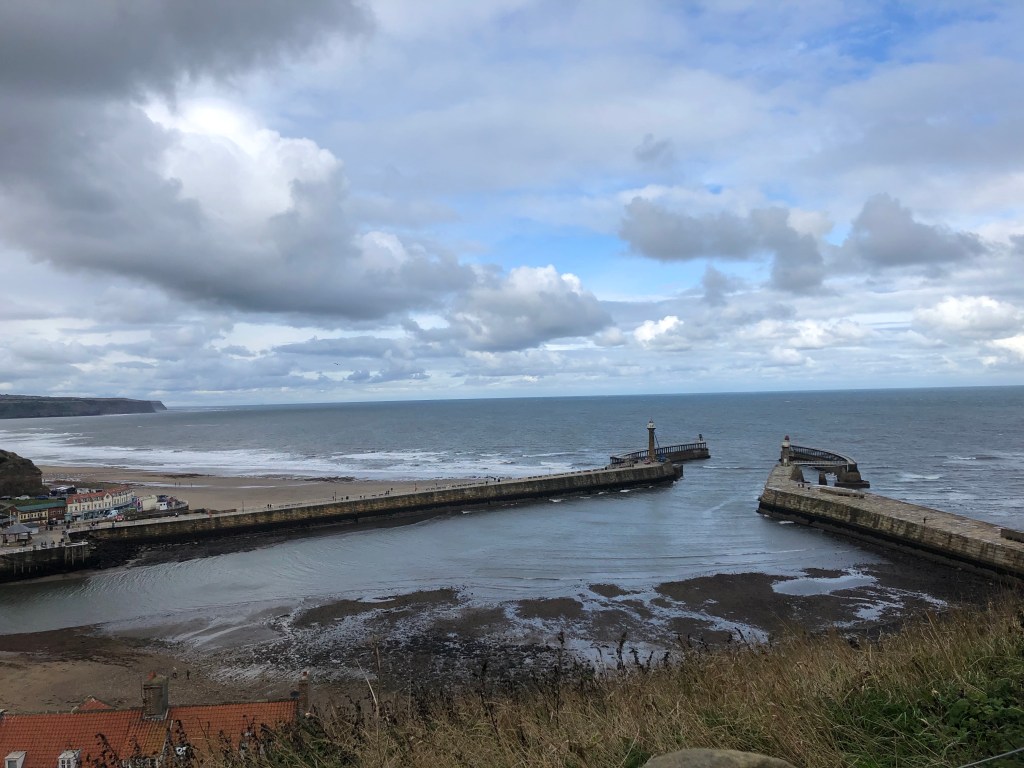
I presume this is more famous than some of the equivalent post Henry VIII ruins because of its position on the cliff. The Synod of Whitby (https://en.wikipedia.org/wiki/Synod_of_Whitby) was actually held in an earlier, Saxon, church on the same site..
Bram Stoker apparently got the idea for Dracula coming ashore in Whitby from the sight of the ruins of the Abbey at night on the cliff, but also the shipwreck of a Russian ship that went aground under the East Cliff. (https://www.english-heritage.org.uk/visit/places/whitby-abbey/history-and-stories/dracula/)

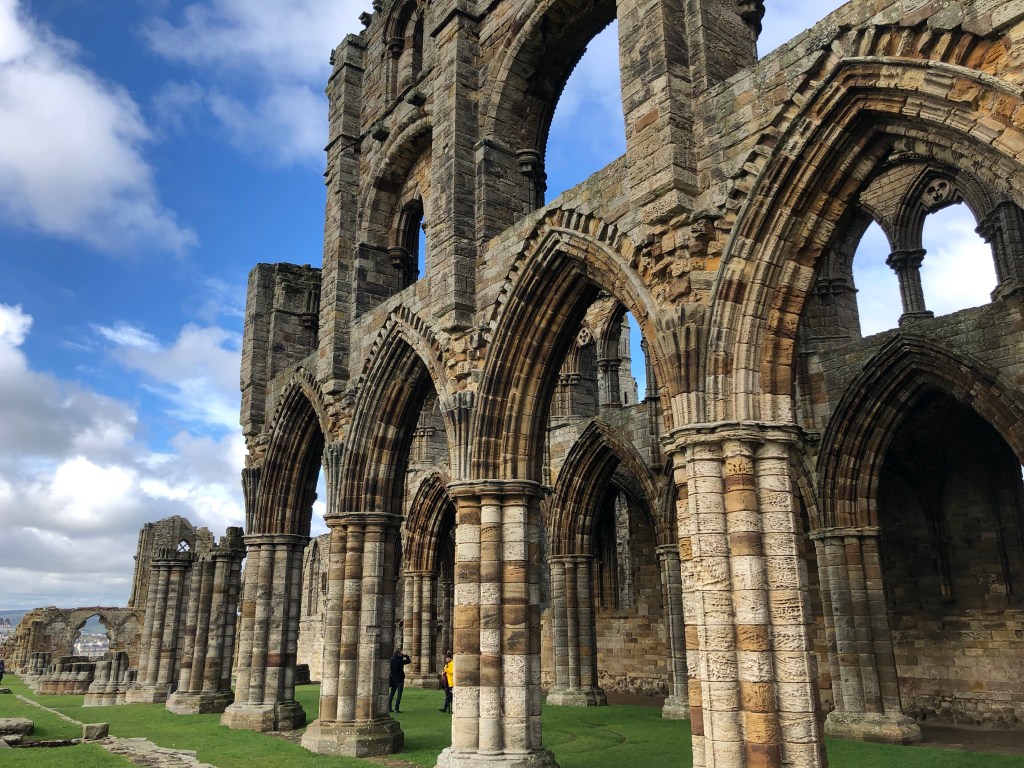
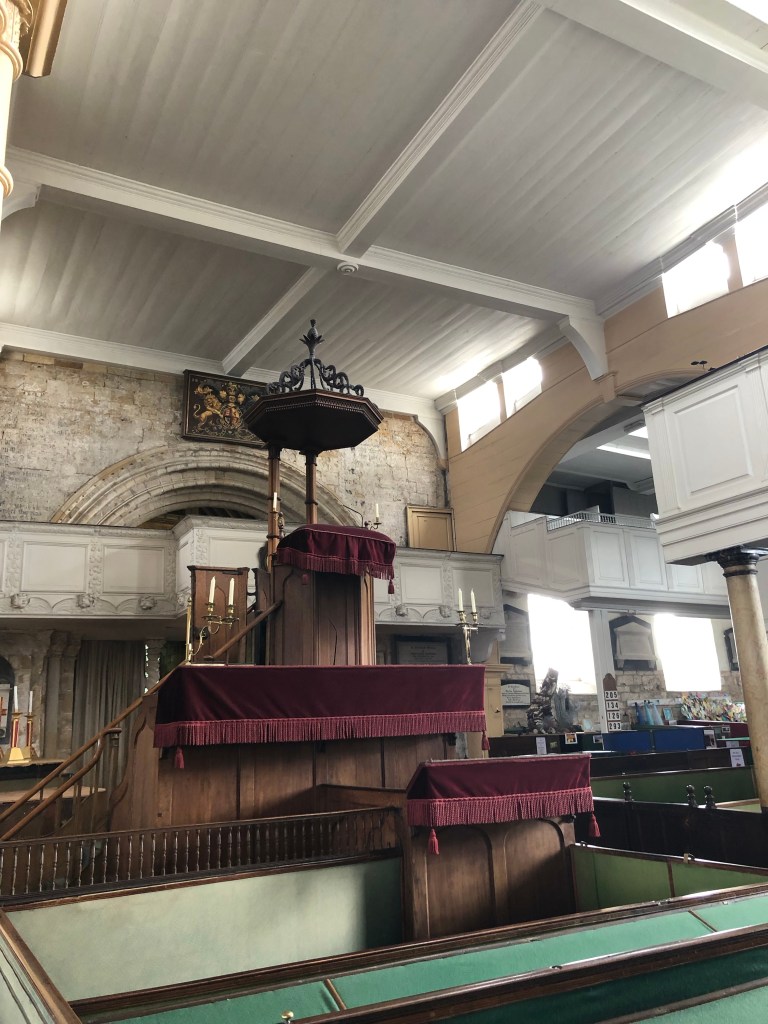
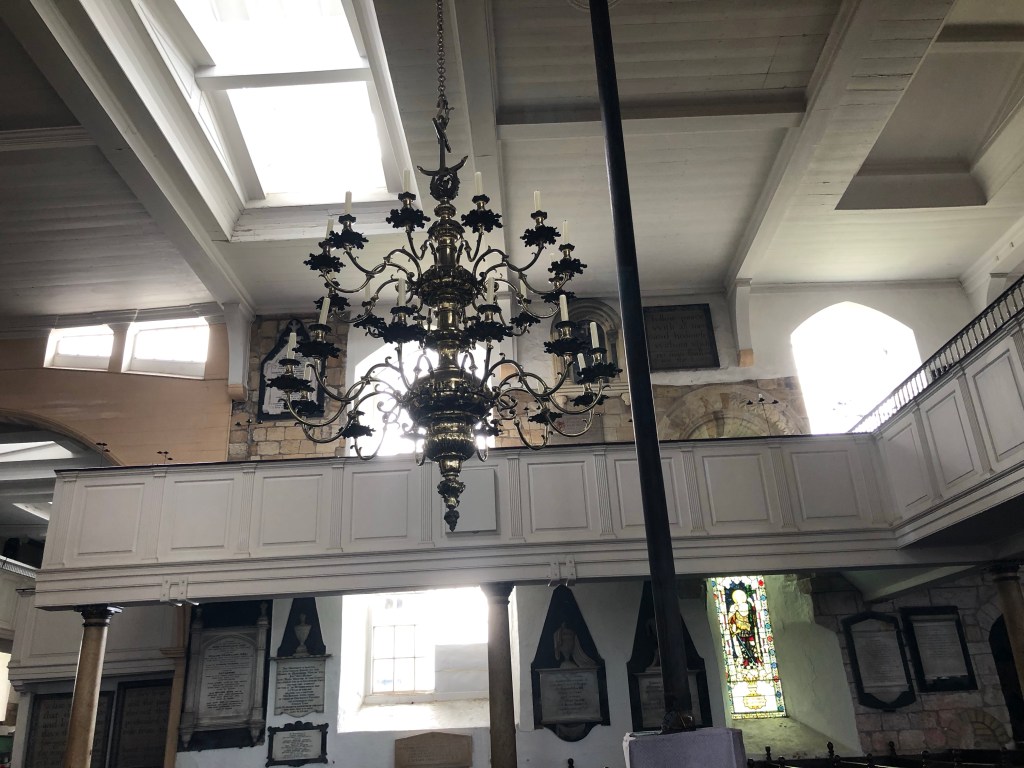
Also on the East Cliff is the church of St Mary. Also known as the church of 199 steps – the route from the town. This is a really unusual church, having been remodelled in the 18C with box pews and a three decker pulpit. There is also a balcony which was used by servants and seafarers who had not paid for a pew. On this visit, it seemed overwhelmed with flowers, pictures and unnecessary labelling but that is (hopefully) just temporary. On my last visit, my father was able to indicate my grandparents’ pew. He also pointed out that, because of its position and a danger of ice on the steps, it was only ever used during the summer, the congregation attending other churches in winter.
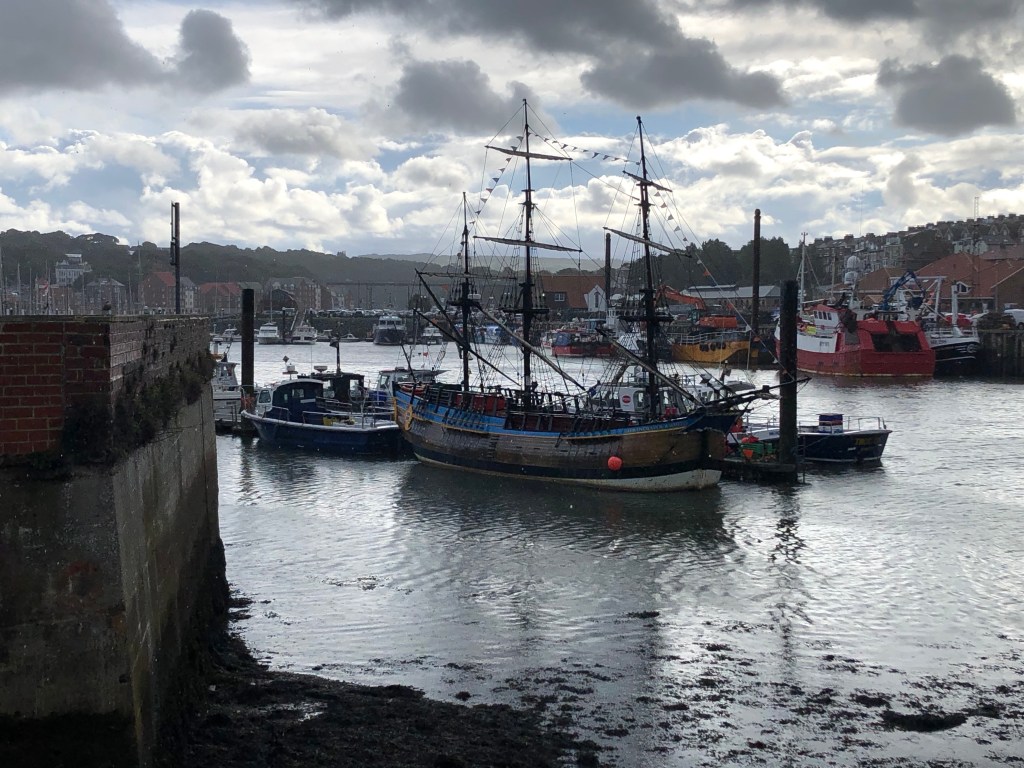
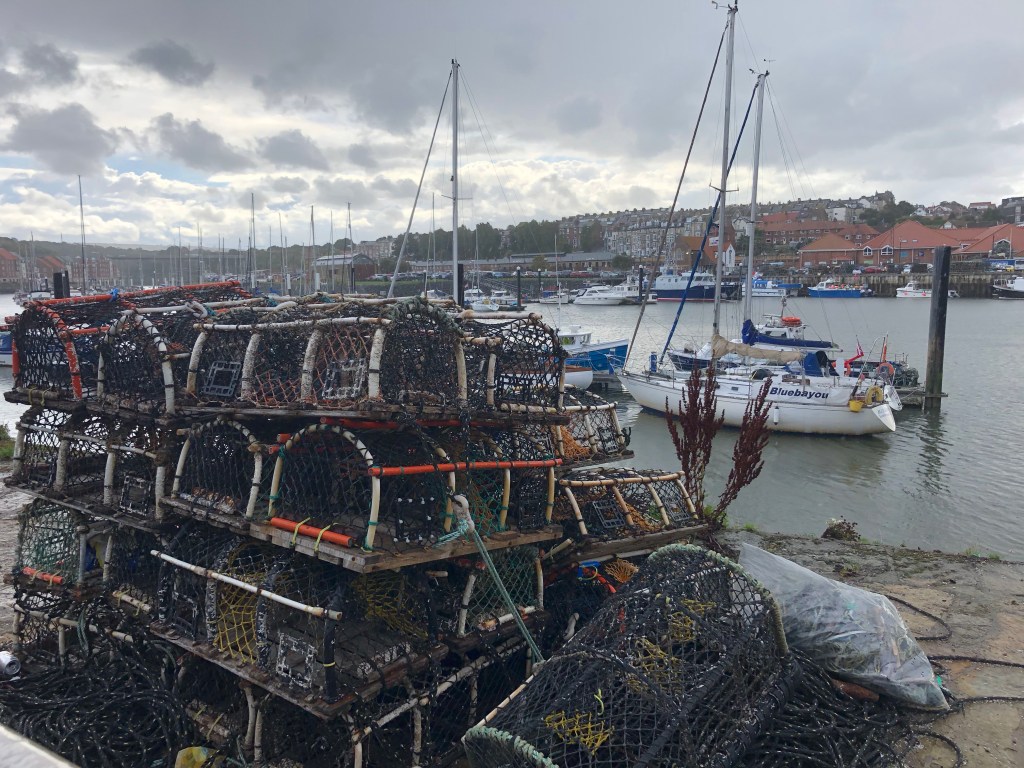
My ancient memories also include the fishing boats unloading, the fish being gutted and packed by lines of women on the quay side before being taken into the fish market for auction. None of that is there any more and the lobster and crab fishery is undergoing an environmental crisis. (https://www.theguardian.com/uk-news/2021/oct/29/apocalyptic-dead-crabs-litter-beaches-north-east-england?CMP=Share_iOSApp_Other)
 The Retirement Travels