As things have started to open up again, there have been visits to various local places, although very few events so far. However, given that we may be in lockdown again by the autumn (see many press and political references to ‘freedom day’, despite exponentially rising numbers), I suppose we should be taking advantage.
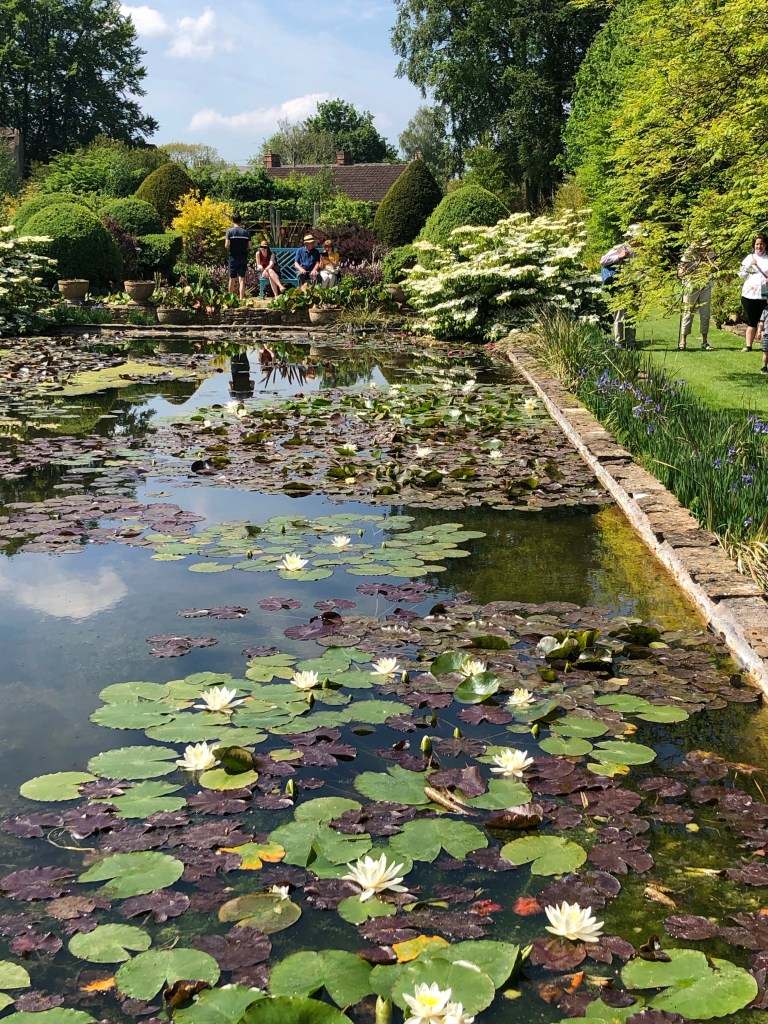
This is a house built in the 18C (although not open) by a local mill owner who also built a mill next to it. Bradford on Avon and the area around it was a wealthy cloth town at the time. The mill has been demolished and gardens and an arboretum laid out around the water that used to run it.
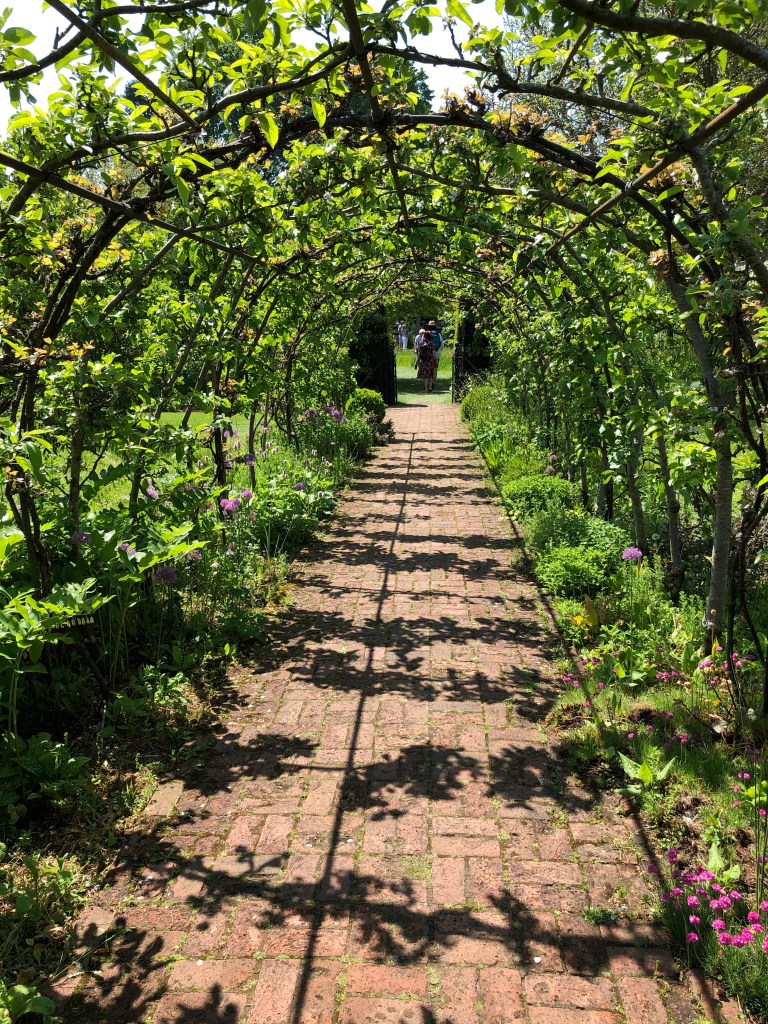
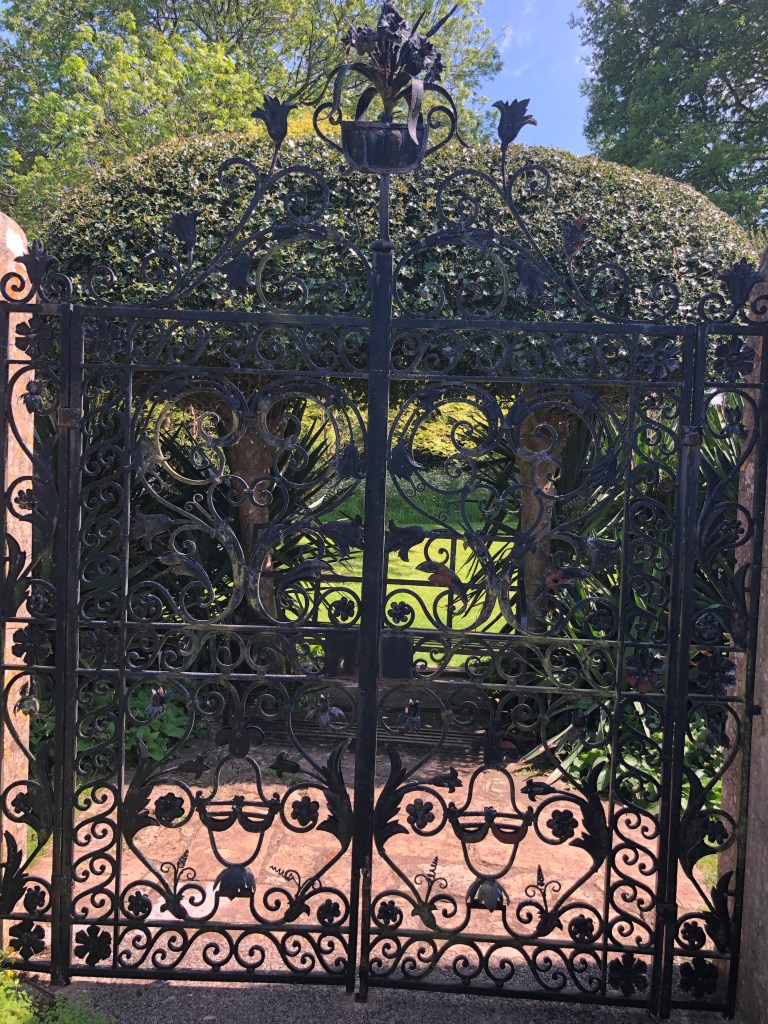
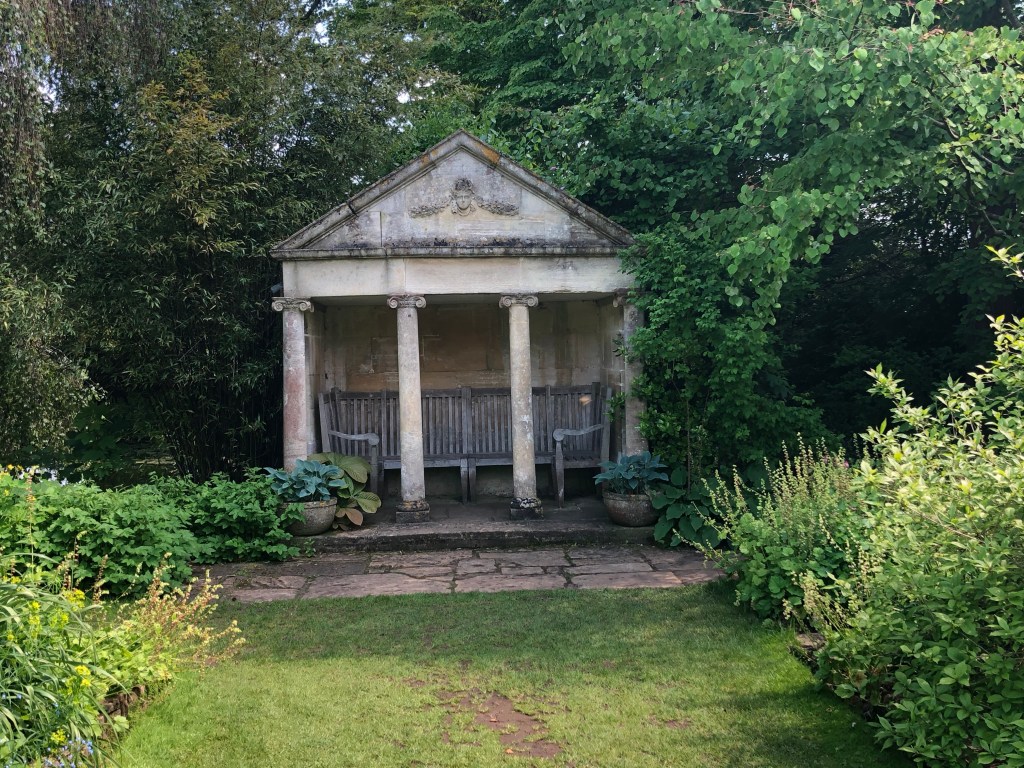
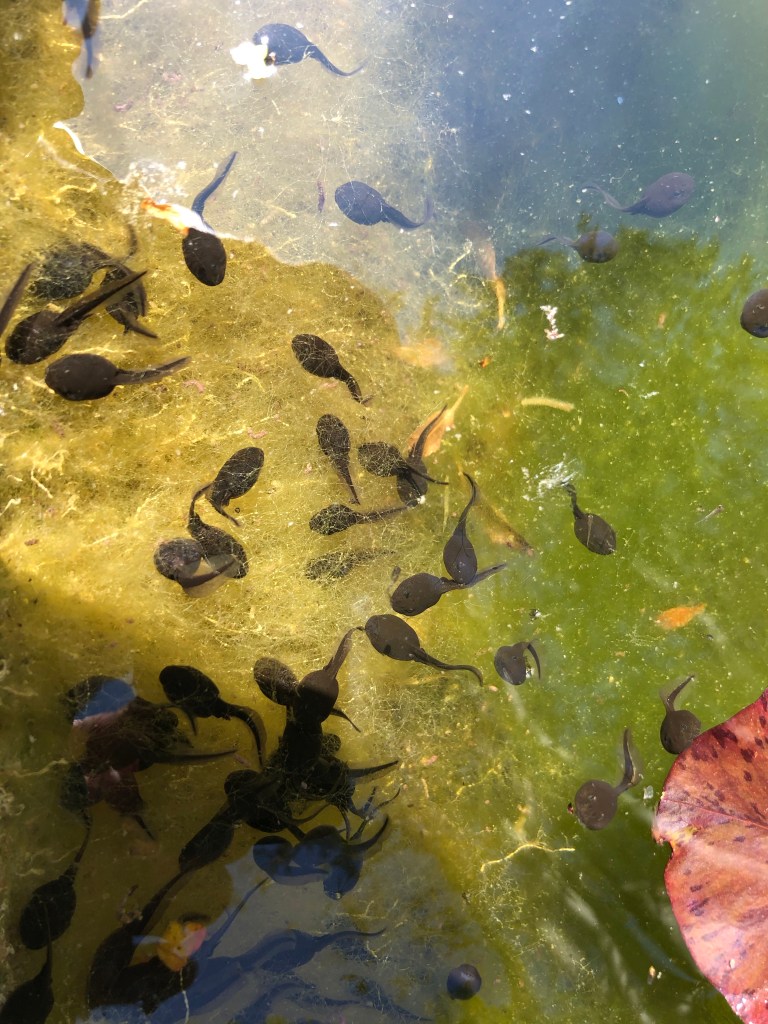
Now that’s what I call a pergola!There’s always a gate view…….A folly with specially made seat.TadpolesLily pond
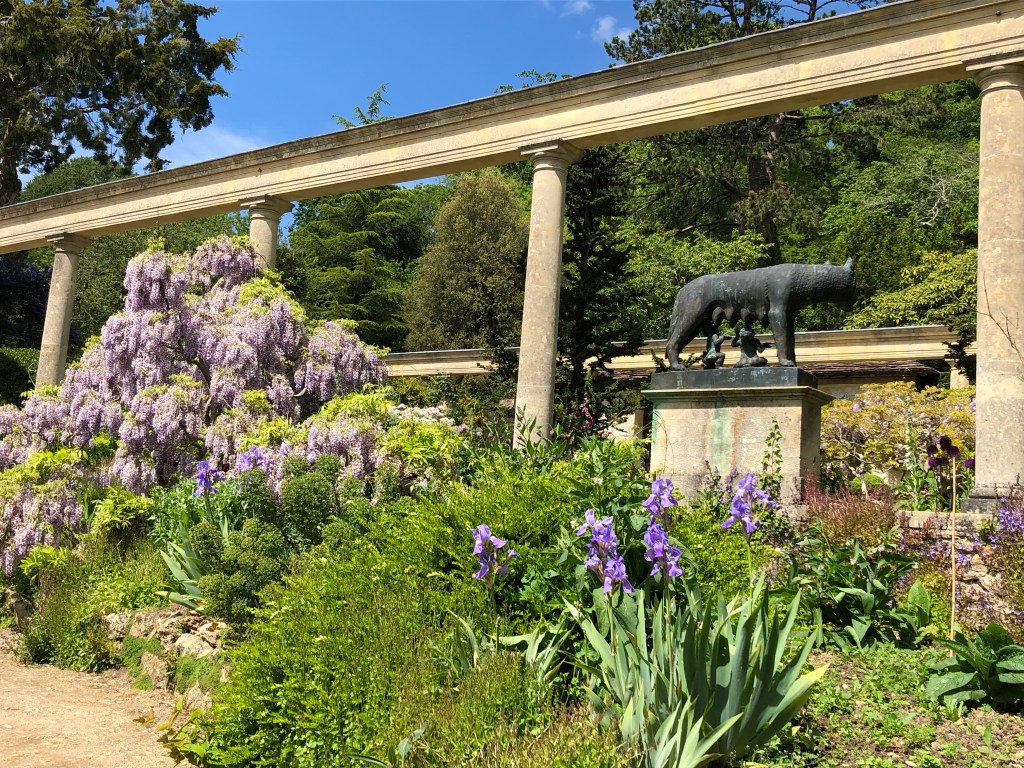
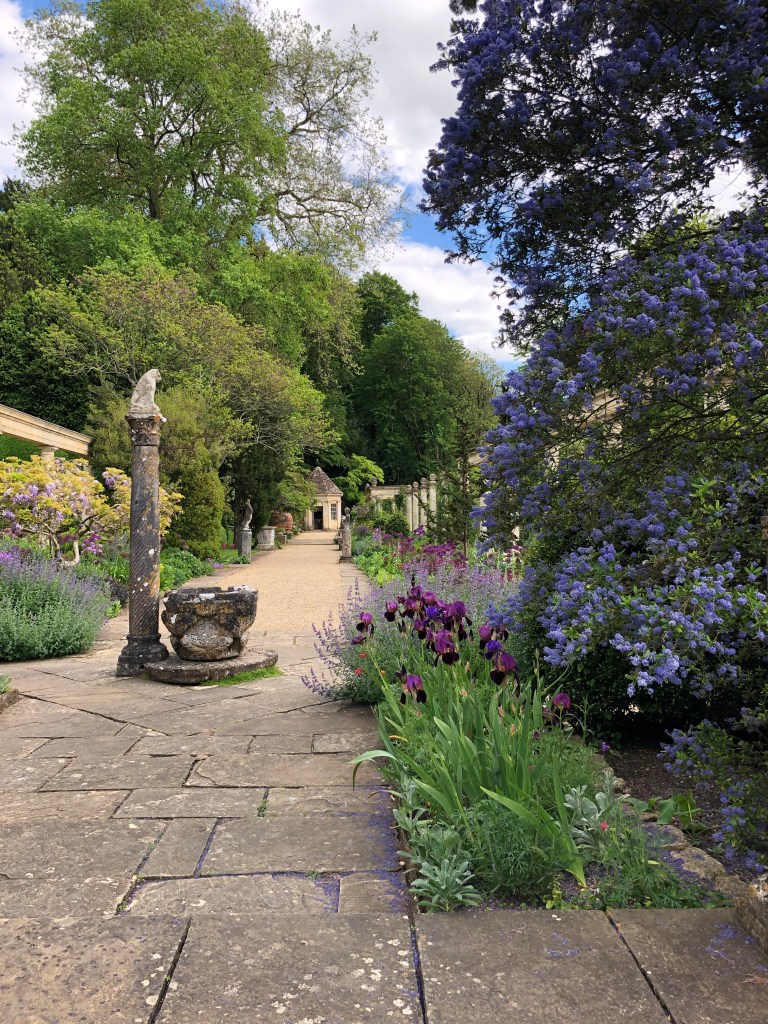
This is a privately owned house with an Edwardian garden, restored and open to the public.
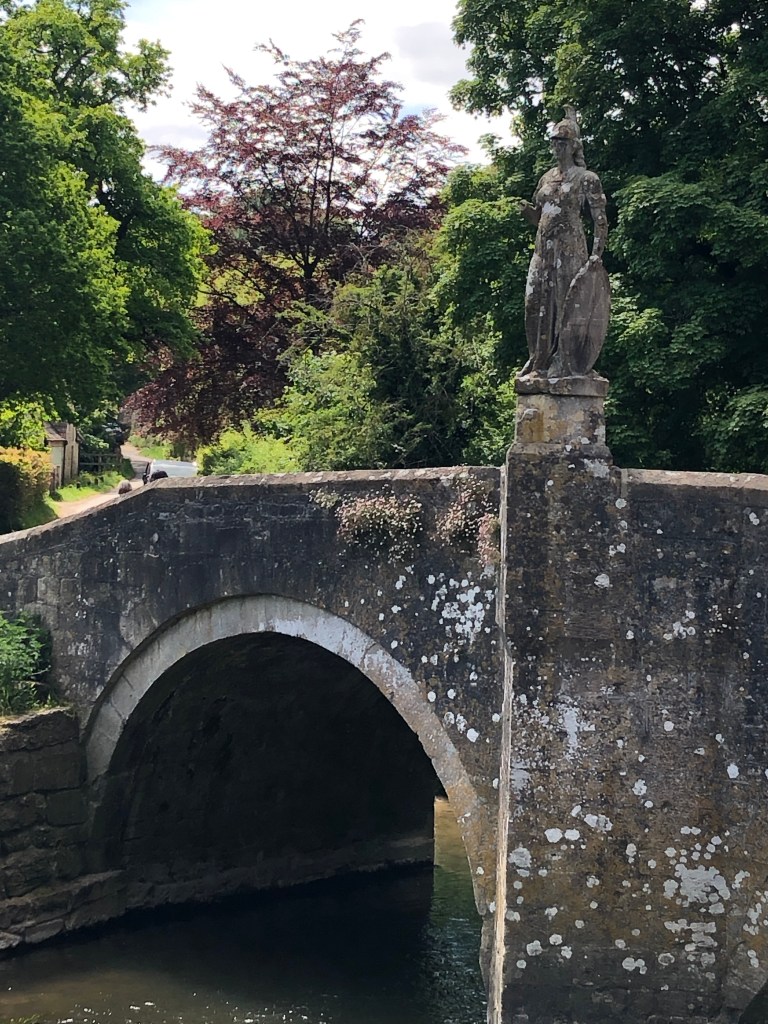
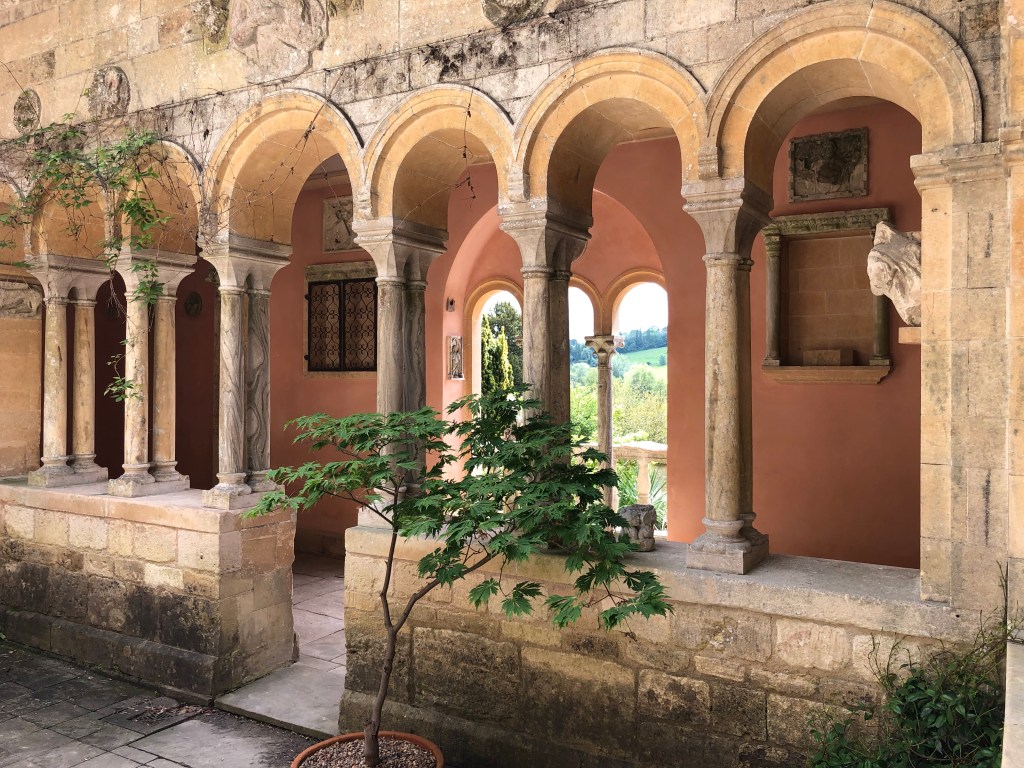
The bridge in front of the house with a statue of Britannia. Garden terrace with wisteria and a statue of Romulus and Remus. Garden terraceCloisters – let’s pretend we are in Tuscany, shall we?
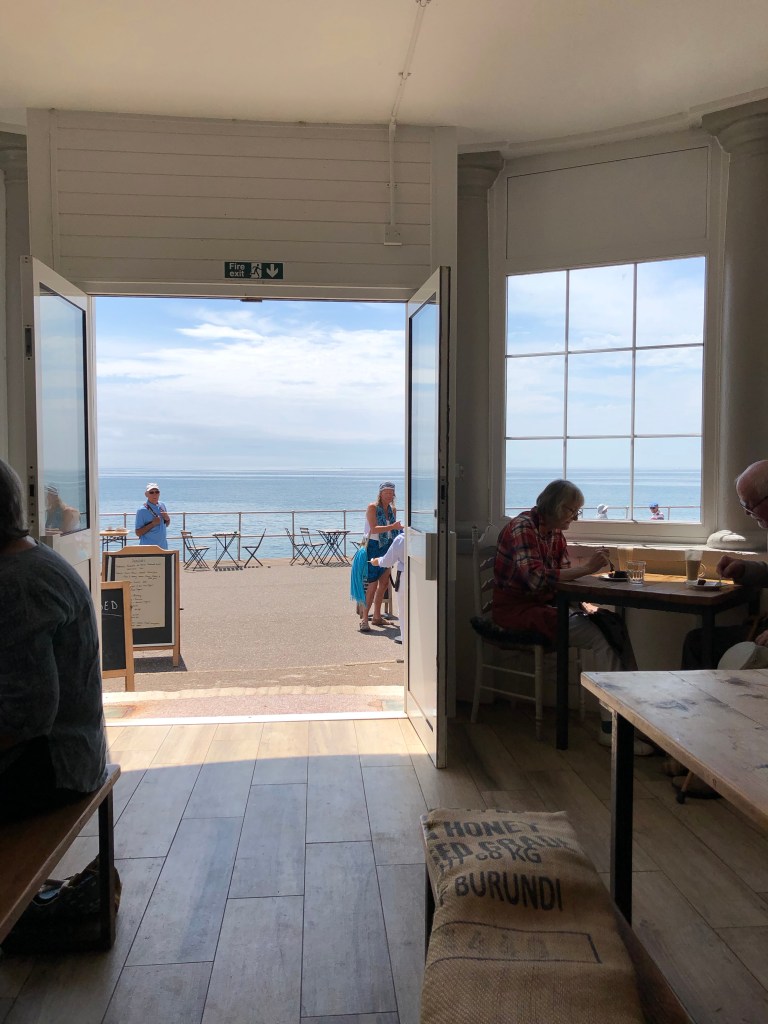
Seaton visiting friends (and my mother), another pretence that I am abroad.
Lunch by the seaside.
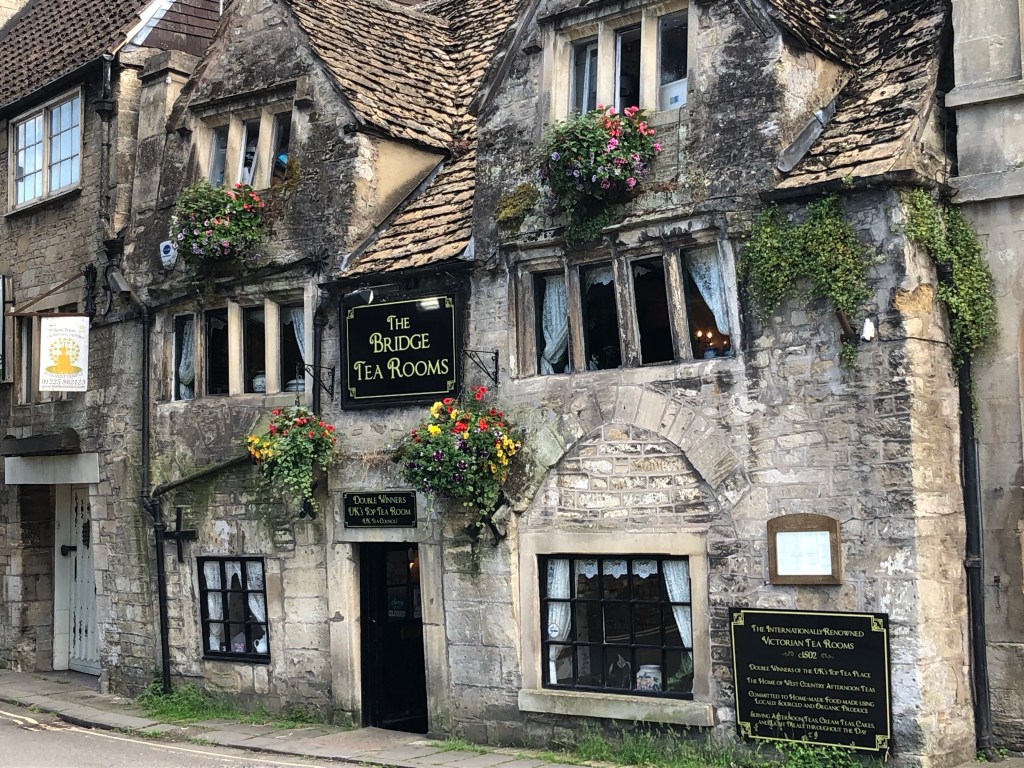
Bradford on Avon these are some pictures of the town itself. Formerly a successful weaving town, it is nowadays one of the only crossings over the Avon river and links the river to the Kennet and Avon canal.
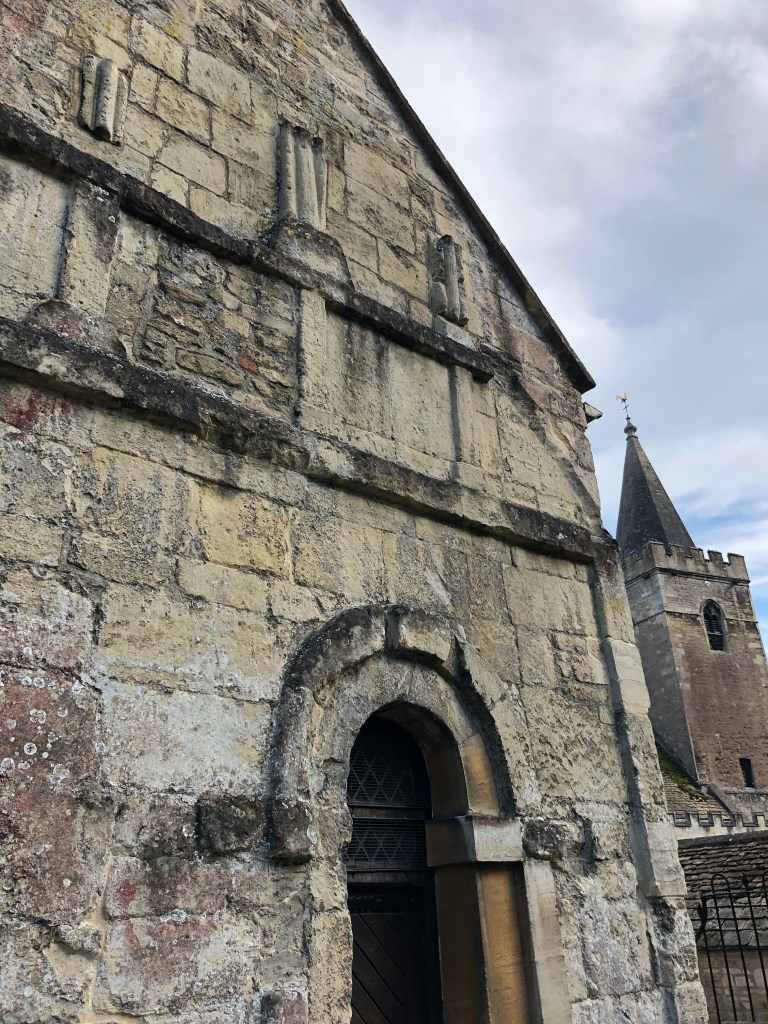
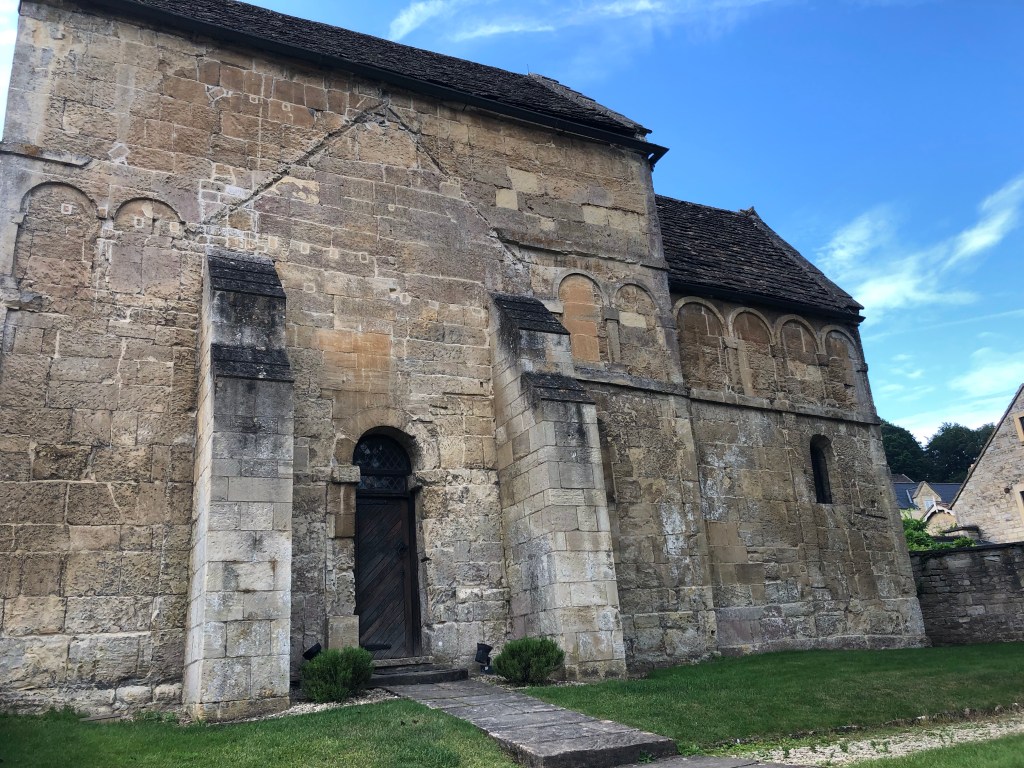
This is next to the Town Bridge over the Avon. Formerly a pub? The Saxon Church. A rare example of the Norman church being built next door, rather than on top of, the older one. The church was built somewhere between the 8th and 11th centuries and could possibly have been a mortuary chapel, rather than a parish church (https://en.wikipedia.org/wiki/St_Laurence%27s_Church,_Bradford-on-Avon).
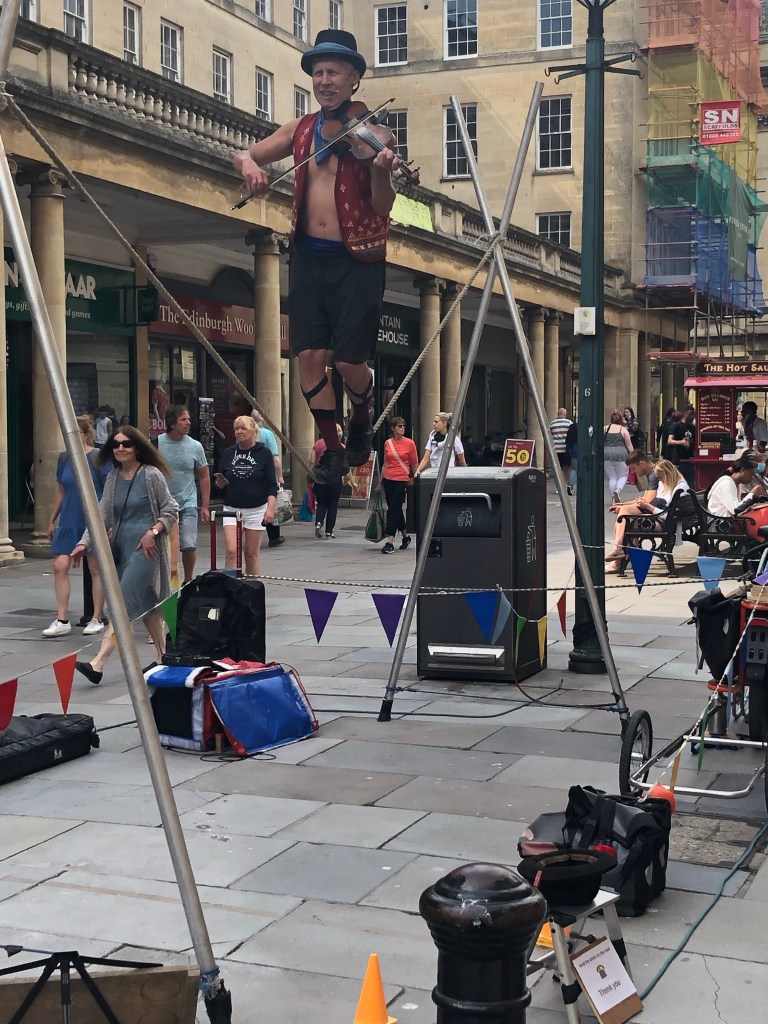
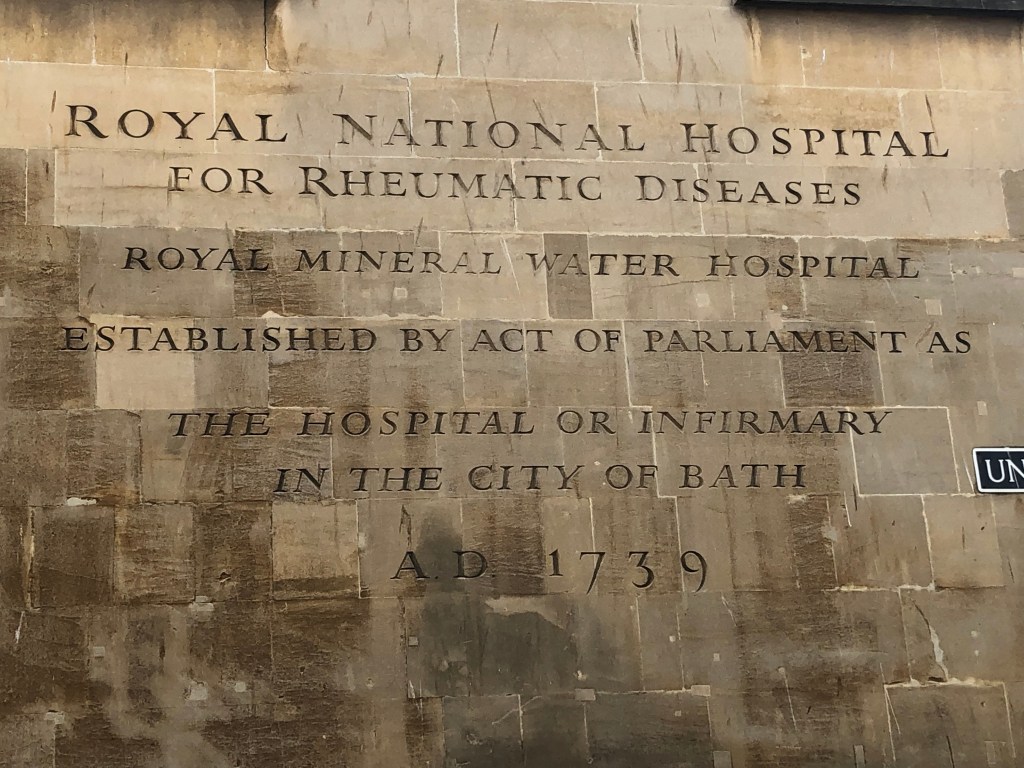
Bath These are a few more pictures of Bath, including some inside the Abbey.
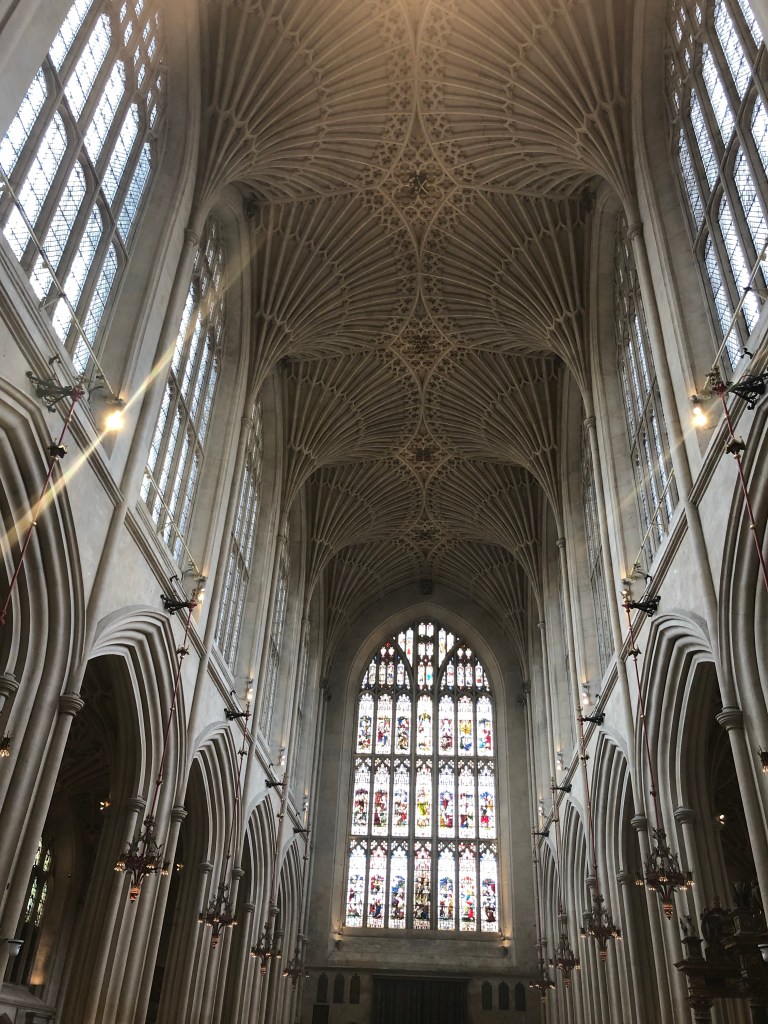
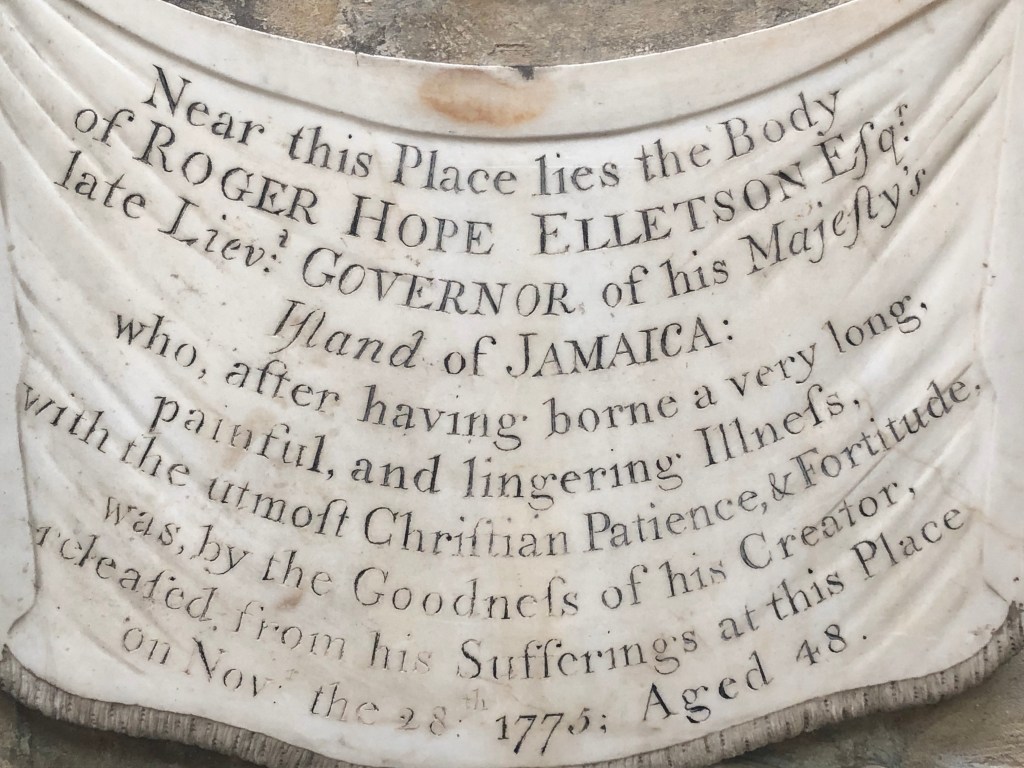
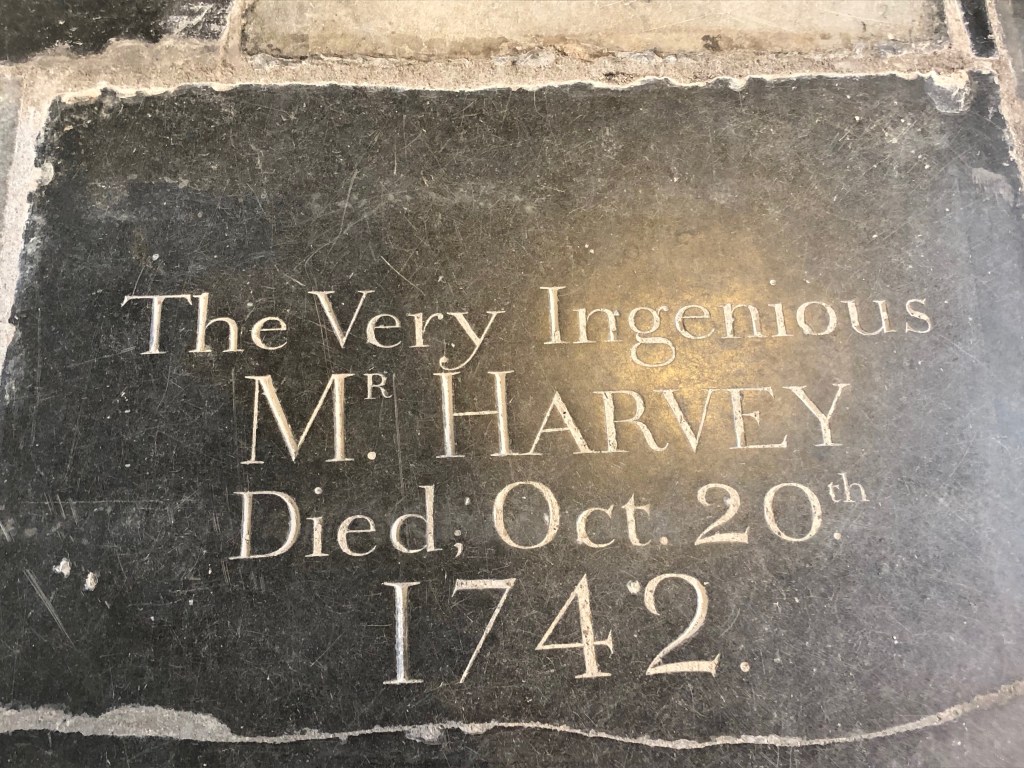
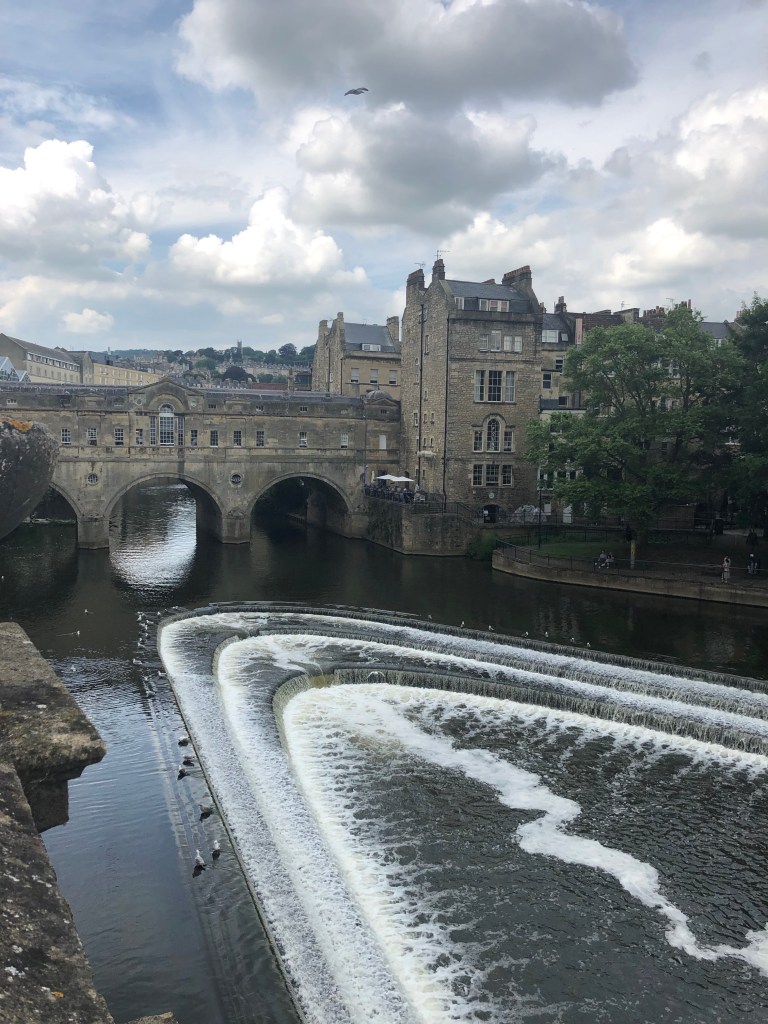
The beautiful fan vaulting is, apparently, Victorian. The Abbey was without a roof for many years until restored in the mid 19th century.Many people apparently, according to the memorials, came home from the colonies only to die in Bath. The appraisal of what, exactly, they were doing there is being written or rewritten as we speak. The ground under the Abbey is so honeycombed with burials that the building could be in danger of collapse. Apparently he was an architect and stonemason who had built several buildings in the town. Life returning to normal.All that free mineral-rich hot water could be monetised by somebody! Pulteney Bridge and the weir. Still raining…..
 The Retirement Travels
A serious pergola indeed. Mother and I are enjoying your, modest, travels very much. Thankyou for letting us share.
LikeLike
Glad you’re enjoying it x
LikeLike