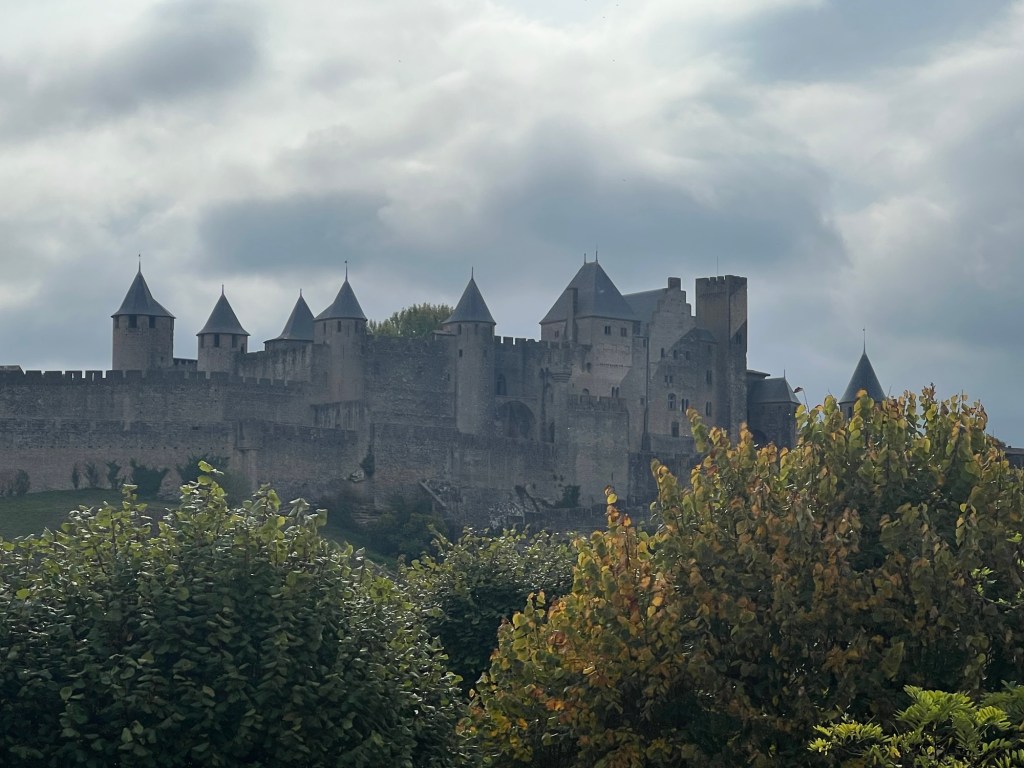
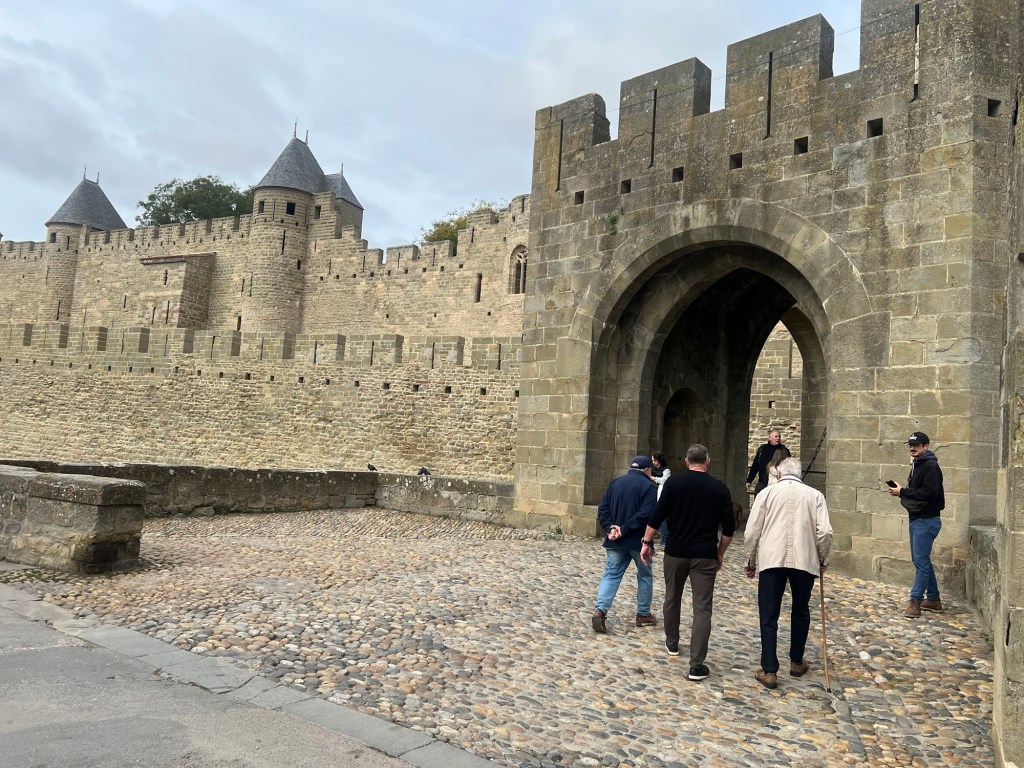
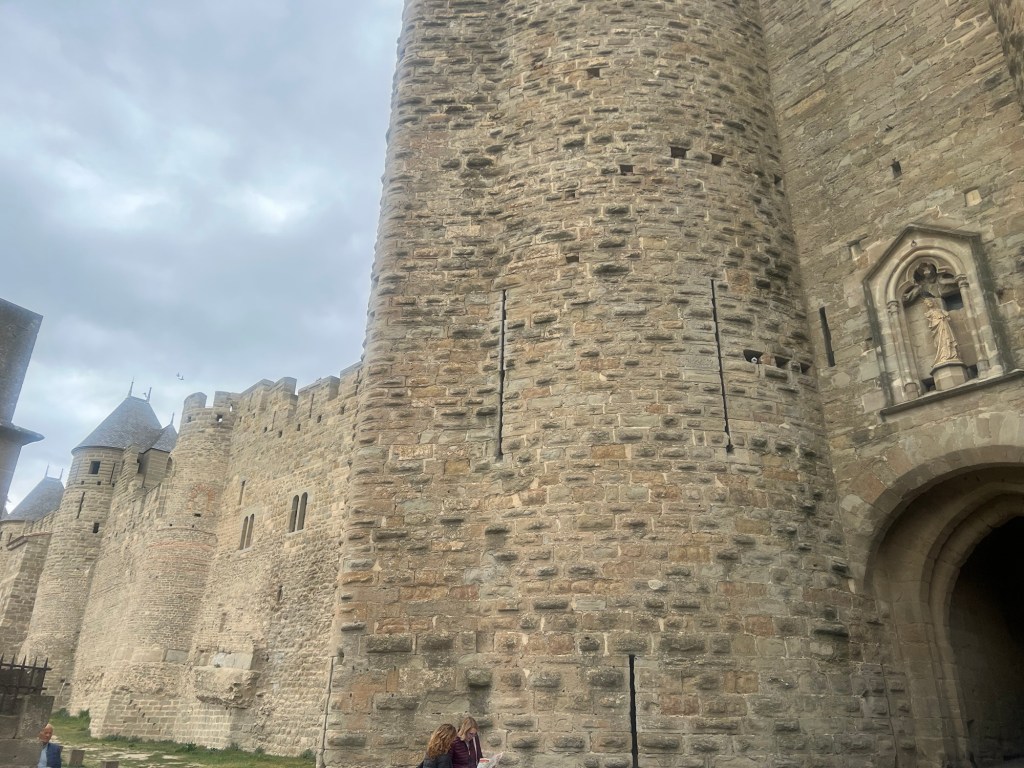
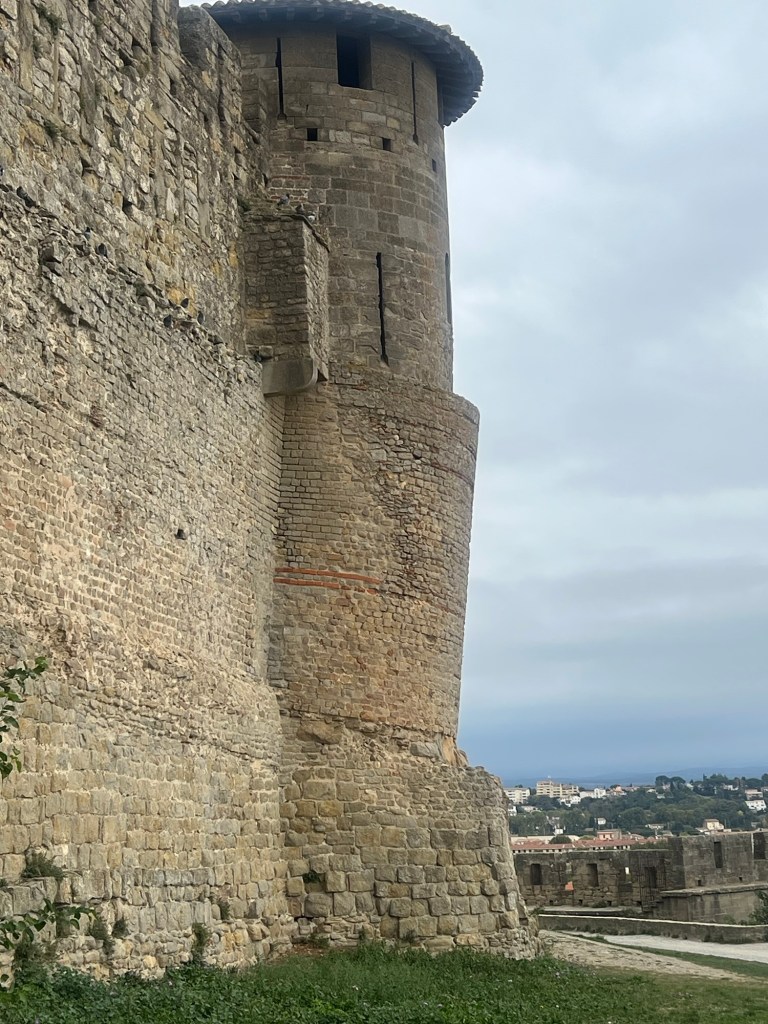
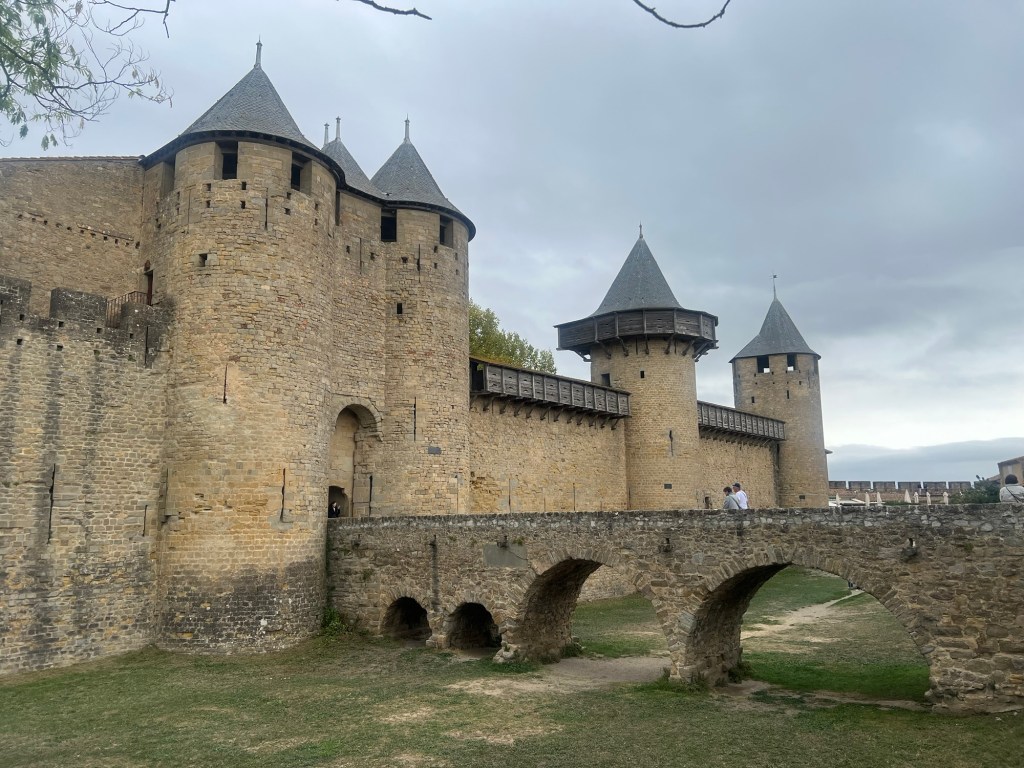
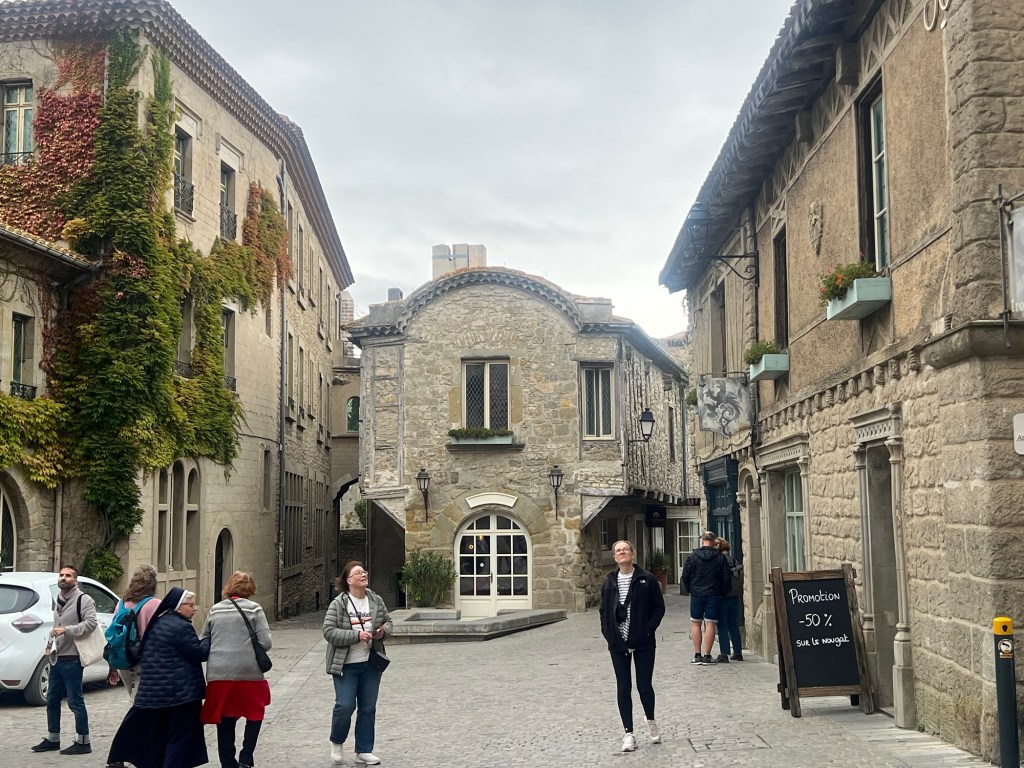
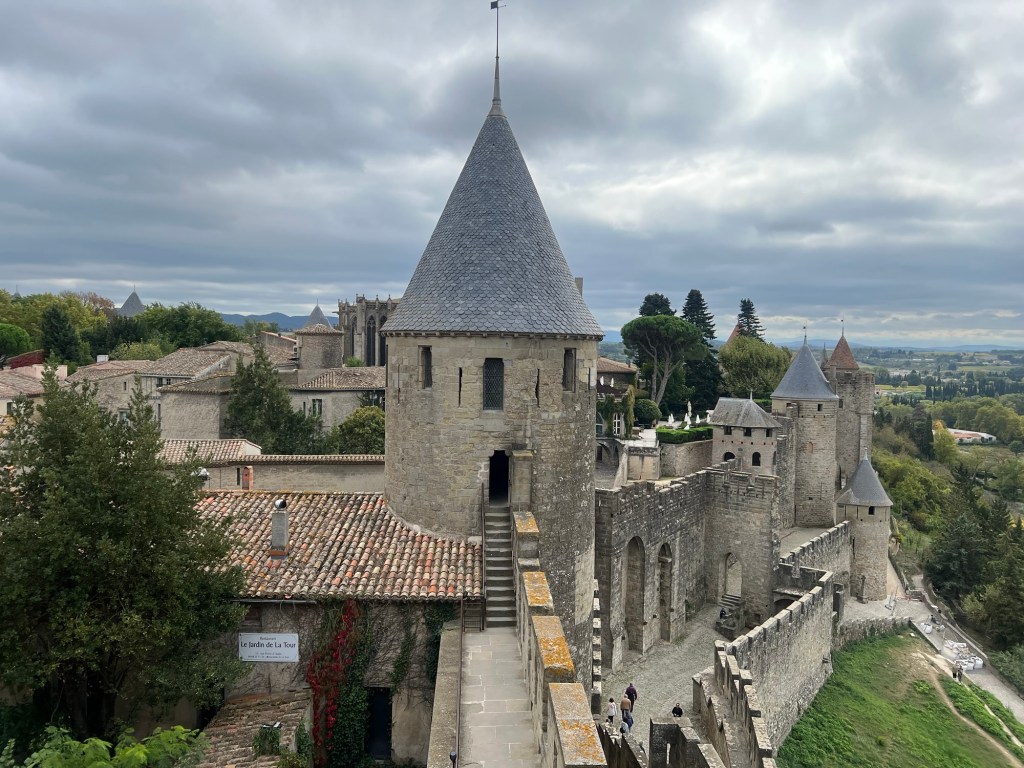
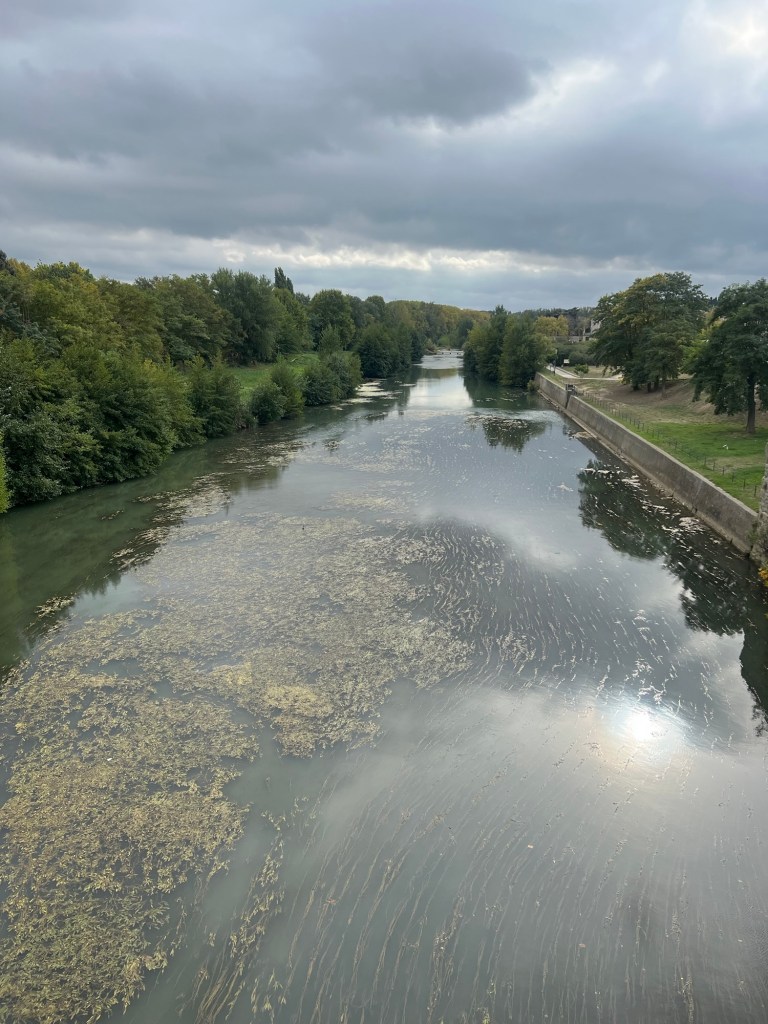
Owing to the train delays yesterday, I’ve only been able to spend one day here. I feel another visit may be on the cards. The mediaeval bit of Carcassonne – is actually divided into two bits. There is the spectacular bit on the hill which is in all the photos and the Bastide, founded in the 12C, which is on the other side of the river. The two are separated by quite a long way because of the river’s tendency to horrendous flooding.
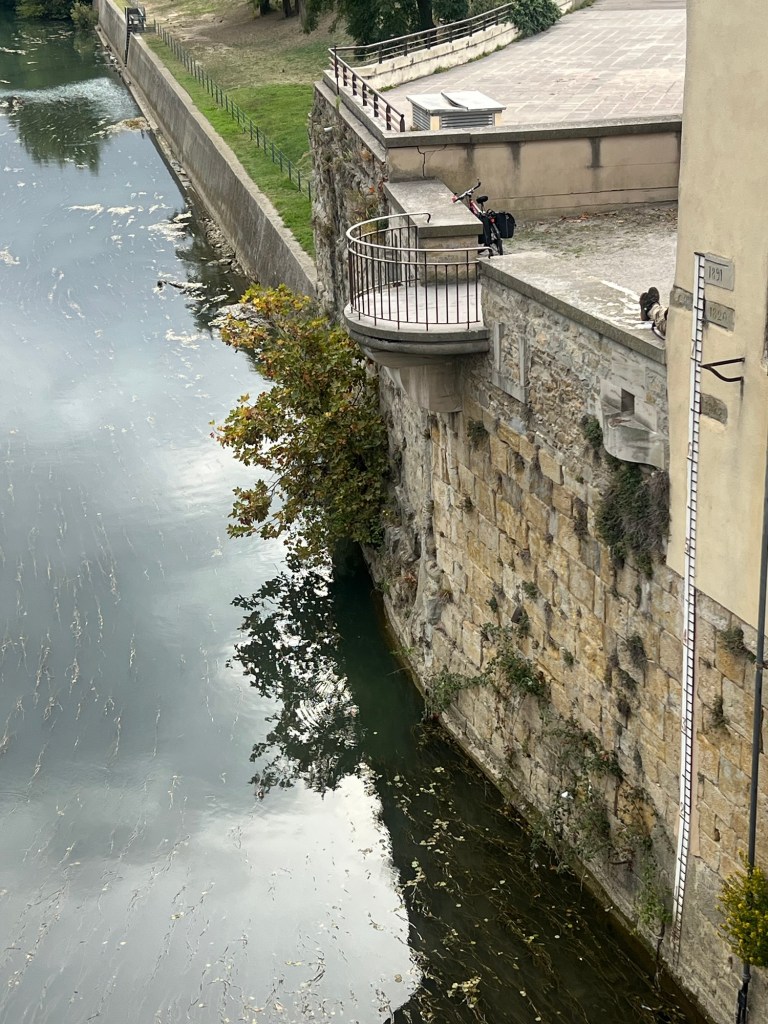
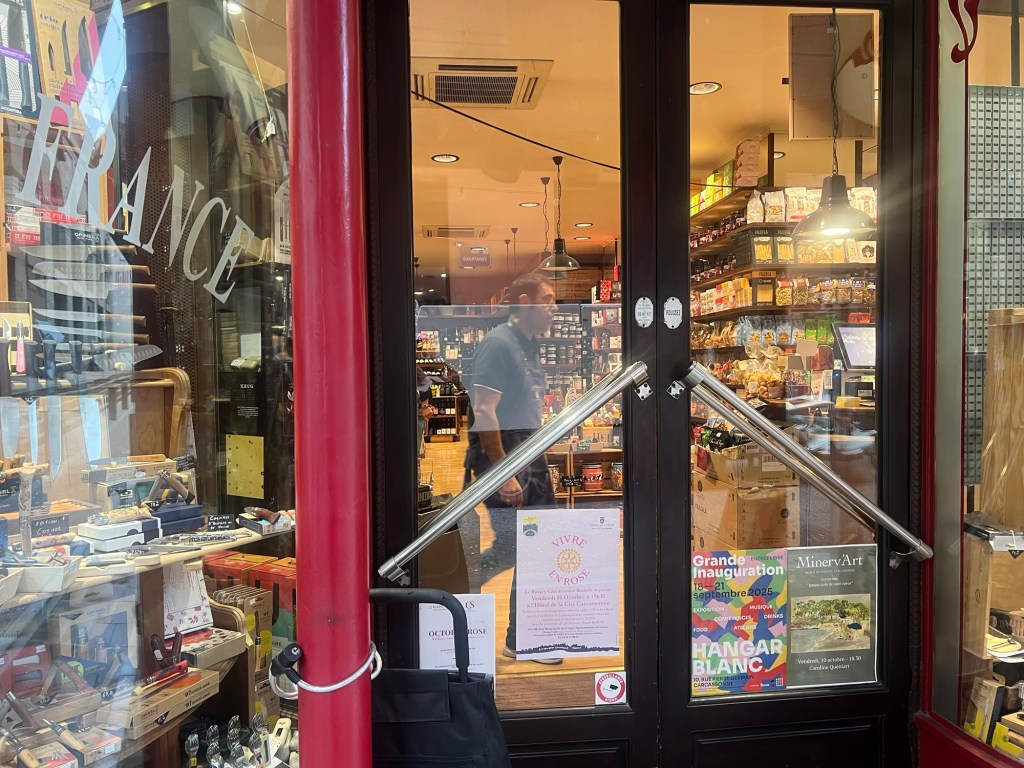
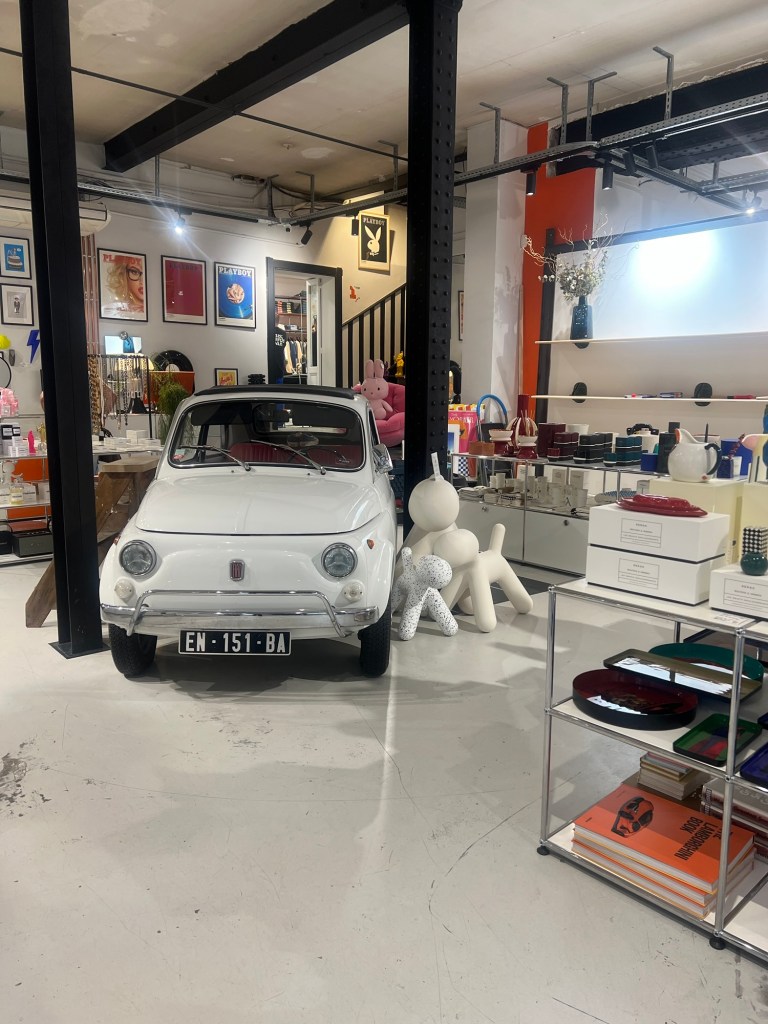
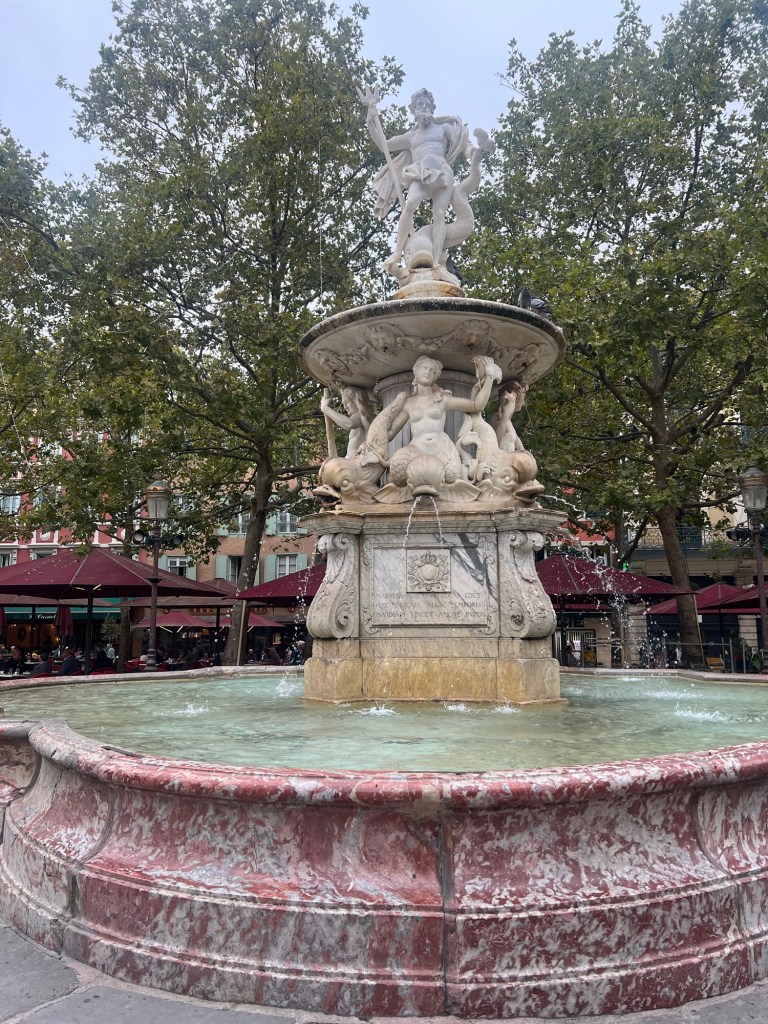
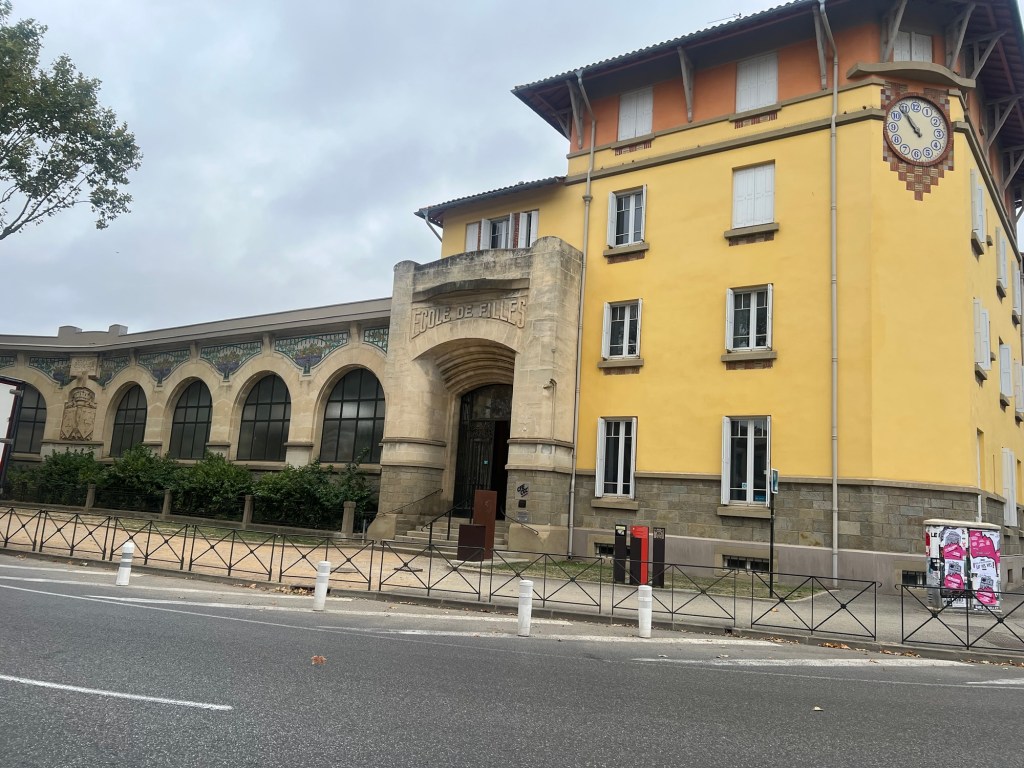
I wandered a bit about the shops on the Bastide side of the river (again, small suitcase), had coffee on the main square where the fortress used to be and a plaque reminding us that the place was sacked by the Black Prince in 1355 and then climbed up to the Cité. (So many steps on this trip)
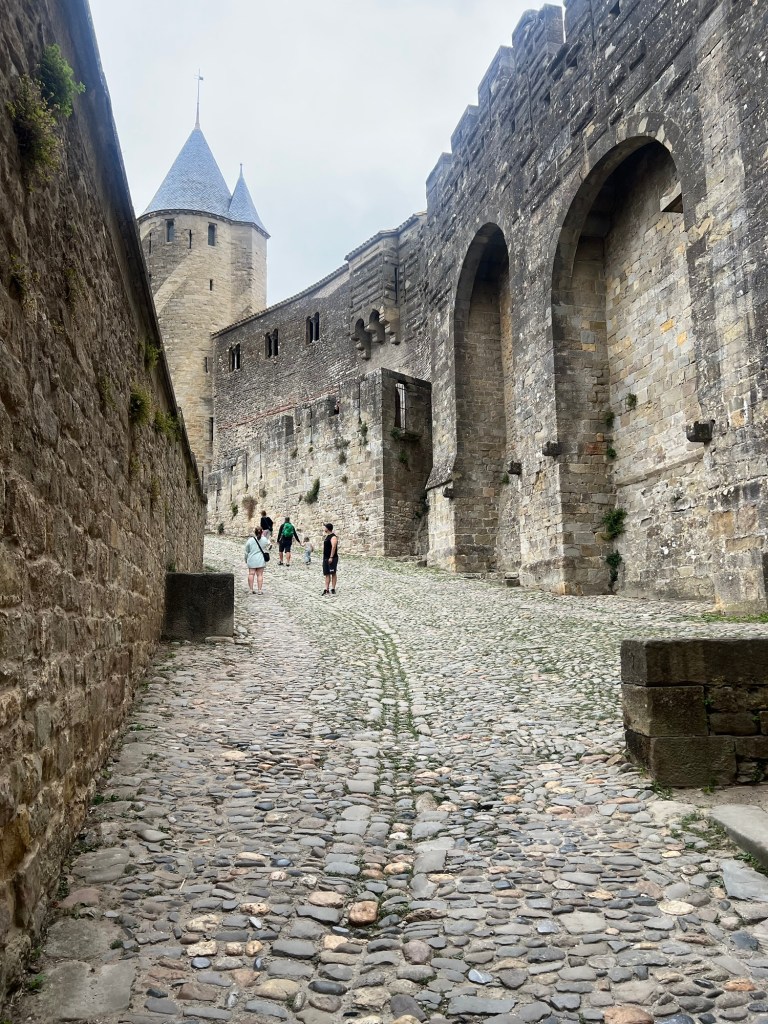
The hill on which the town stands has been inhabited since at least the 6th Millenium BCE. The first fortress was built by the Romans in the 4C to defend an important town from the marauding Visigoths. The town was an important stopping point between Narbonne (major Roman port) and Toulouse. It was also an important fortress on the border with Catalonia which is now 150km away but was then only 50km away.
Local myth has it that the town got its name from Lady Carcas, a Moorish ruler who was besieged for 5 years by Charlemagne. She ended the siege by stuffing the last pig with the last of the grain and throwing it over the wall. Charlemagne was so impressed by the fact that they could waste food after 5 years that he left. On the way, he could hear all the bells ringing in the town and was told Lady Carcas sonne. None of this is true although there was a siege by Charlemagne’s father, Pepin the Short.
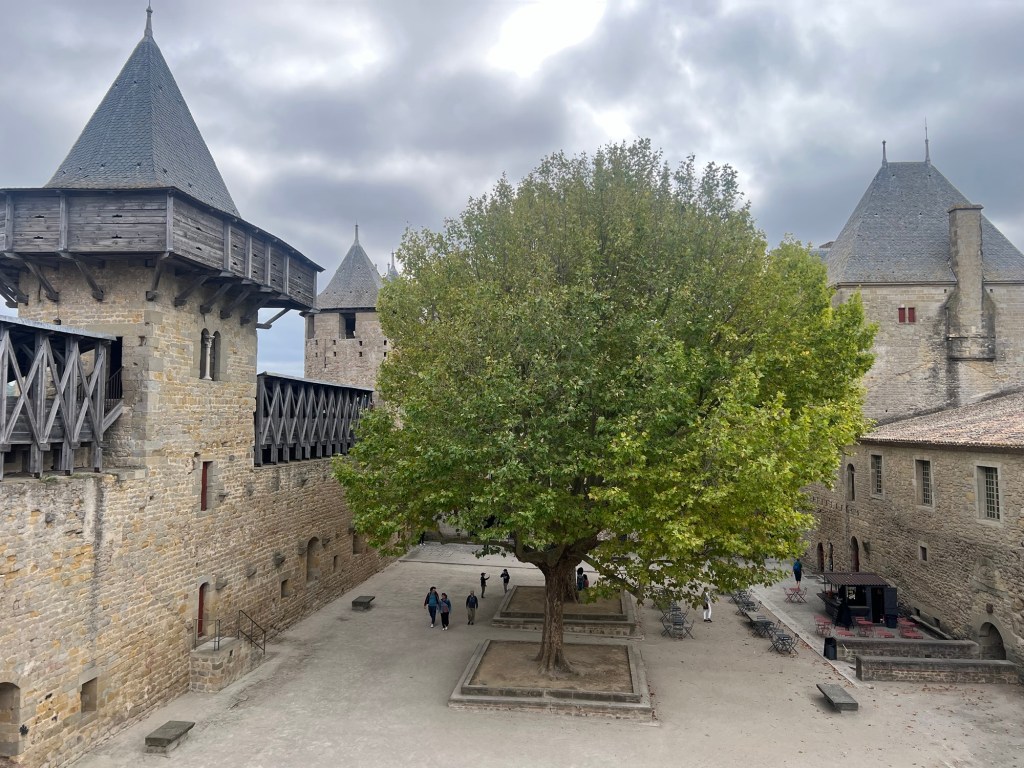
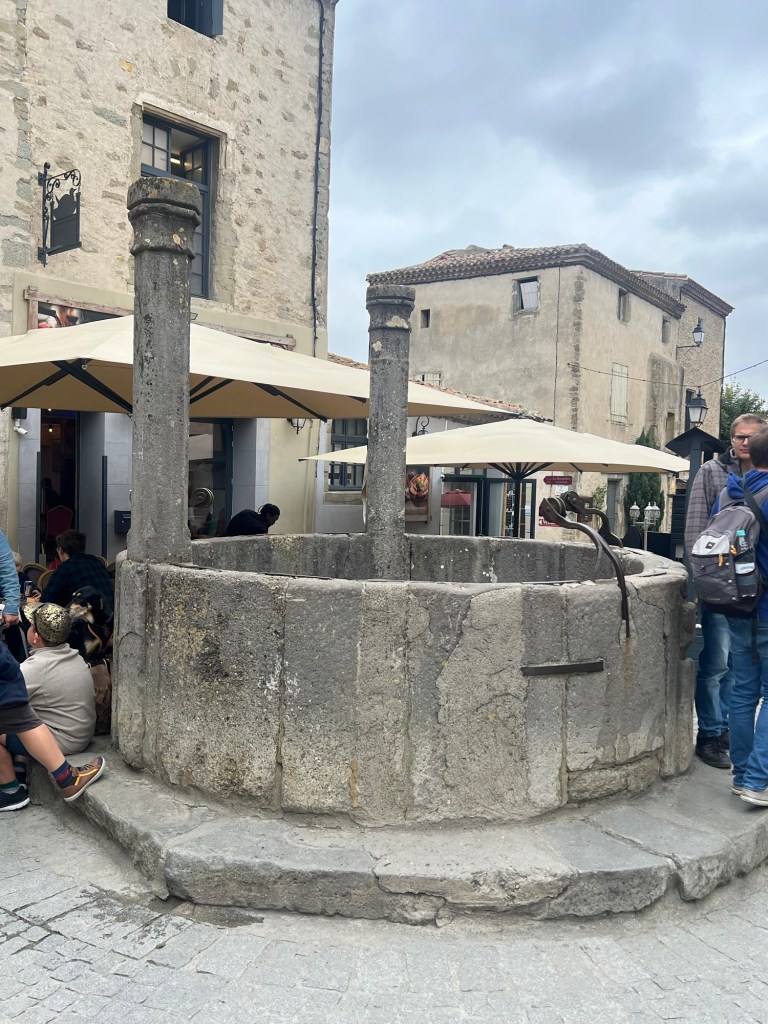
The place was part of the Kingdom of the Cathars in the 13C and was sacked and the population either killed or expelled in 1209. It then became a royal city and was rebuilt. One of the reasons they had surrendered was because they ran out of water so many new wells were built. Of course the place was now so secure that it was never besieged again – invading armies just went round!
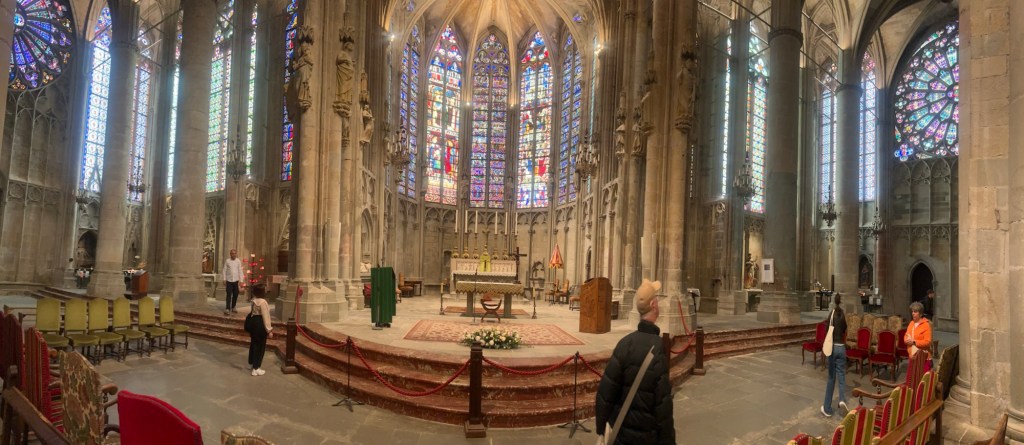
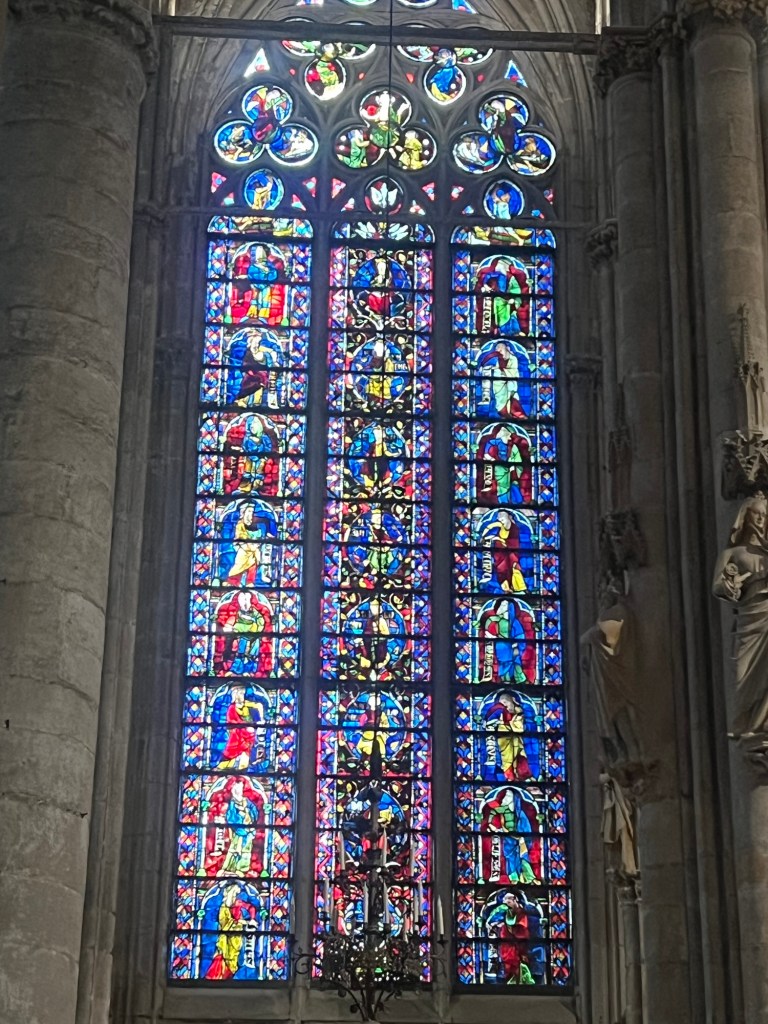
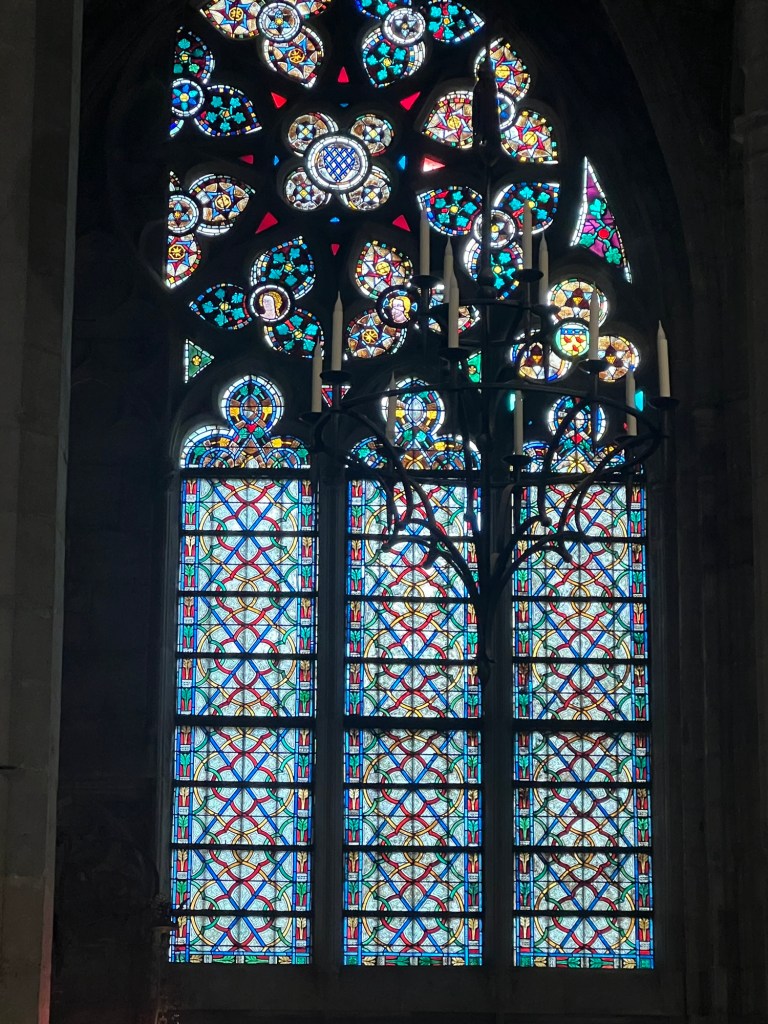
By the 18C the place was in ruins and the population were very poor. The council wrote to the King about knocking it all down but the French Revolution had just started so he probably didn’t get the letter. In the 19C the choice was between knocking it down and restoring it. Luckily, Viollet le Duc, architect responsible for much of the historic preservation of Paris thought the church should be saved as it is a unique combination of Romanesque at one end and Gothic at the other. The stained glass is also by the same artist who did La Sainte Chapelle. This led him on to rebuilding the rest of the town which took the whole of the second half of the 19C.
For more information – and to check to see if I have remembered correctly – see https://en.wikipedia.org/wiki/Carcassonne

 The Retirement Travels
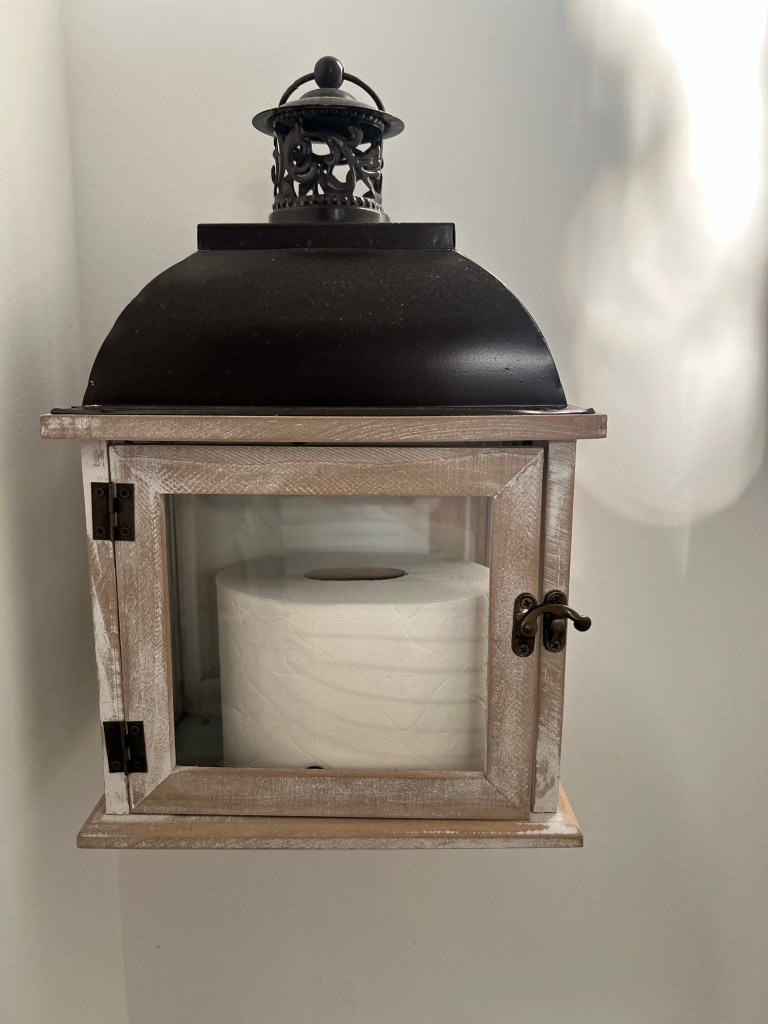
A whistlestop tour, but a fascinating one…although scrolling down I saw the looroll cabin appear and thought it was one of those vintage machines for measuring earthquakes.
LikeLiked by 1 person