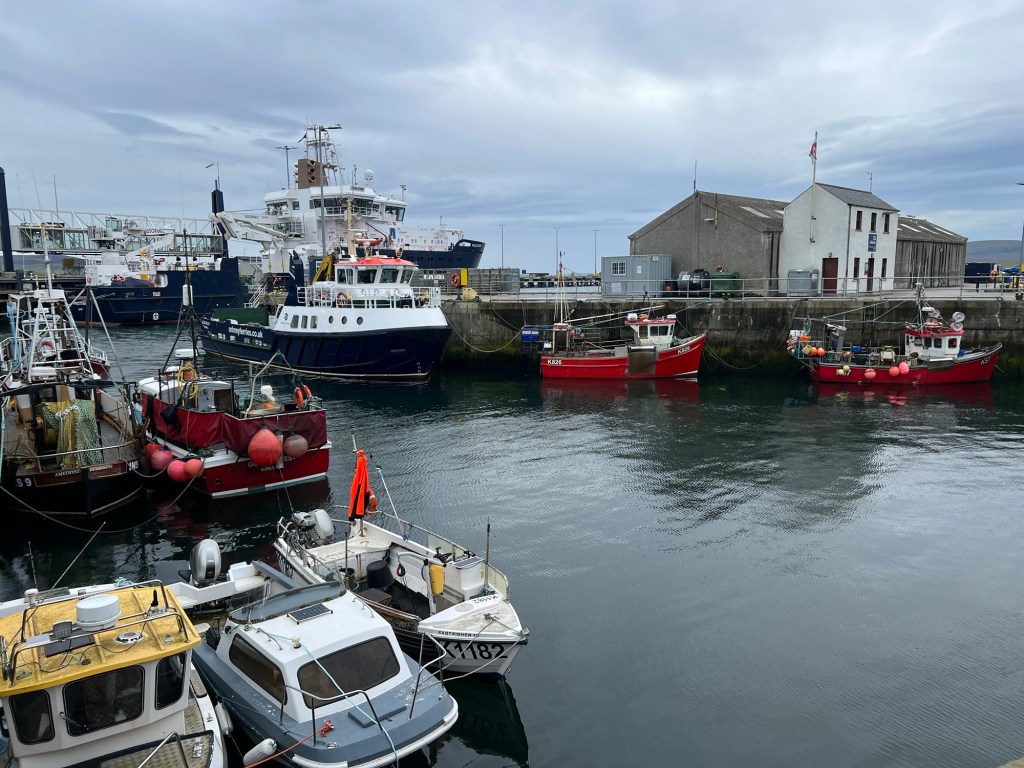
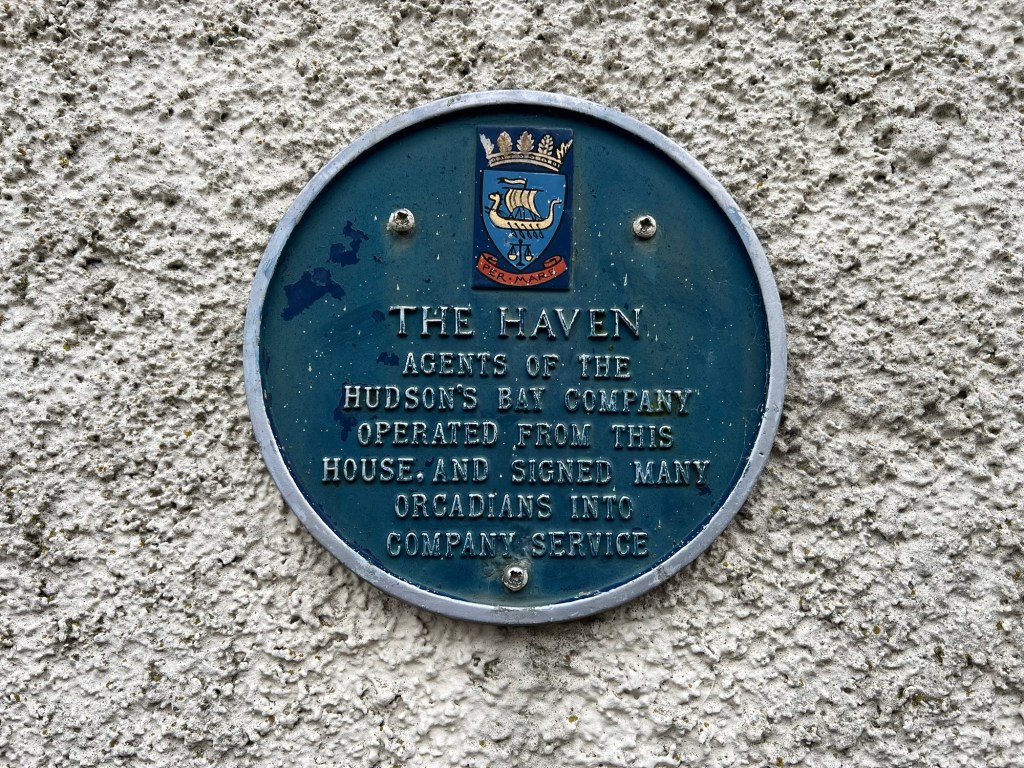
Stromness is the second biggest town on Orkney, after Kirkwall. Its history is mainly maritime and, apart from fishing and whaling, expeditionary forces of various kinds passed through here on their way to Canada and other points west and north. There are apparently many people of Orcadian descent in Canada and the north east USA, mainly descended from people who signed up to work on ships or for the Hudson’s Bay company and never returned.
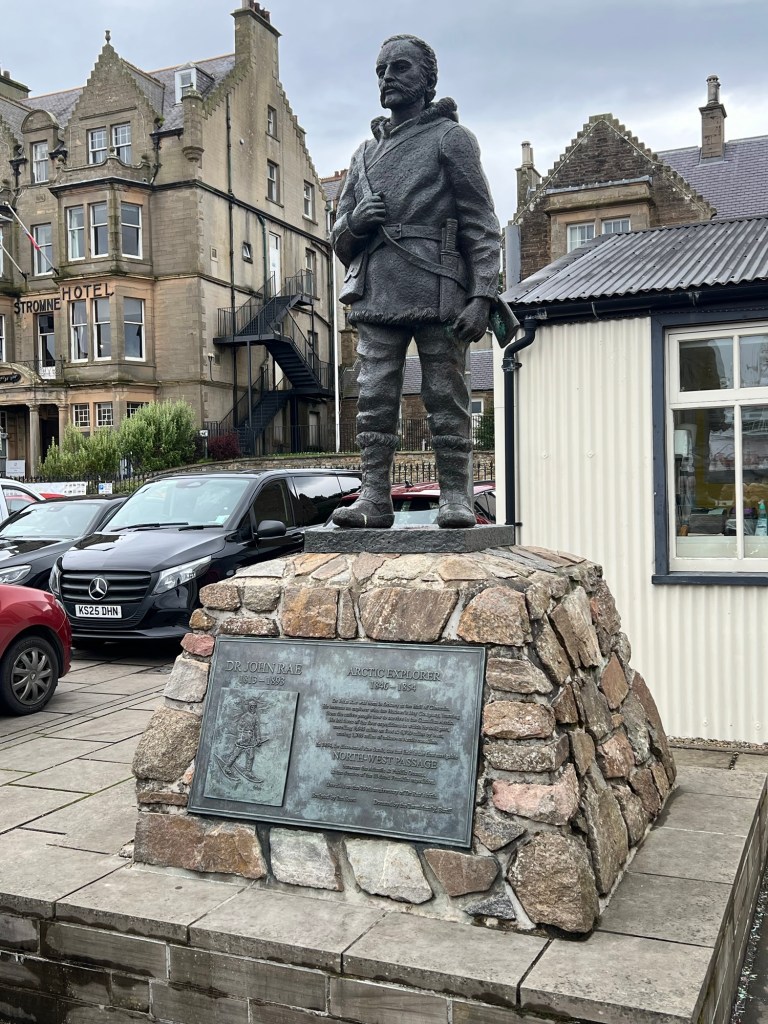
John Rae was an explorer who was the person who confirmed the fate of the Franklin expedition (see Franklin’s memorial in Westminster Abbey a few posts ago). Franklin and many of his men had died aboard their ships whilst they were stuck in the ice. The survivors had taken two boats and what remained of the supplies and set off to find a settlement of some sort. They did not succeed and died en route. The First Nations people who came across their remains showed John Rae evidence of their presence and said that they had resorted to cannibalism before dying. When Dr Rae returned home and presented his findings, Lady Franklin, in particular, refused to believe in the cannibalism theory and said they must have been massacred by the First Nations people who were the cannibals. As she had the ear of a range of powerful men (she had been the main driver for two further expeditions being sent to look for her husband), she ruined John Rae’s reputation.
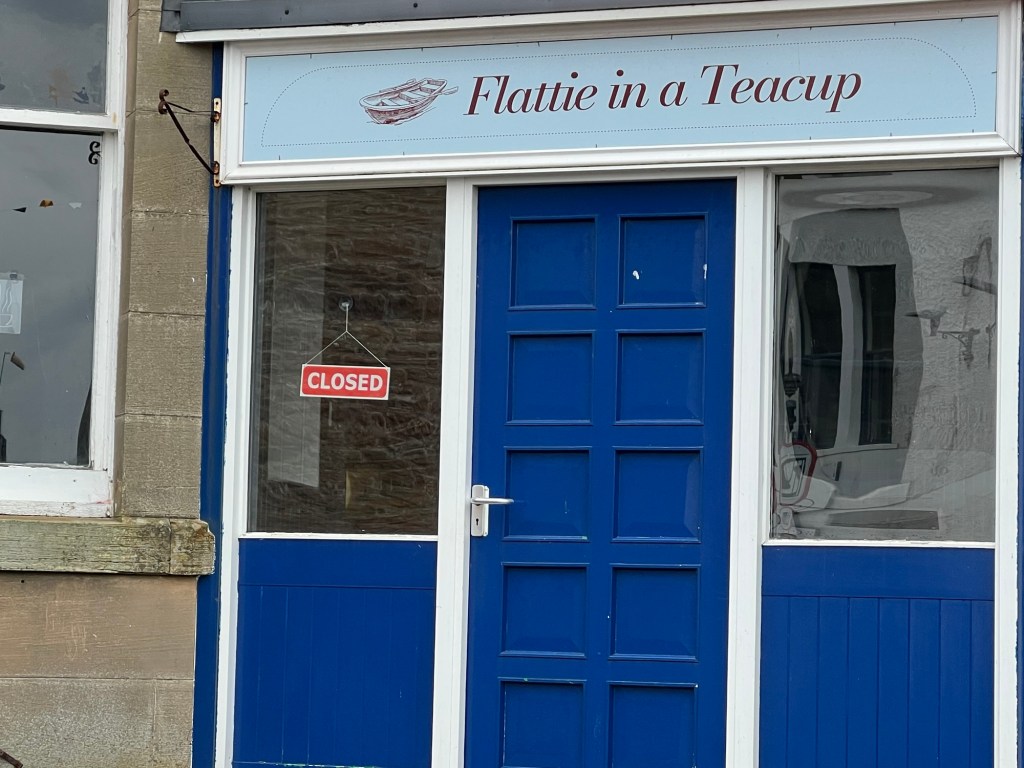
Stromness Museum
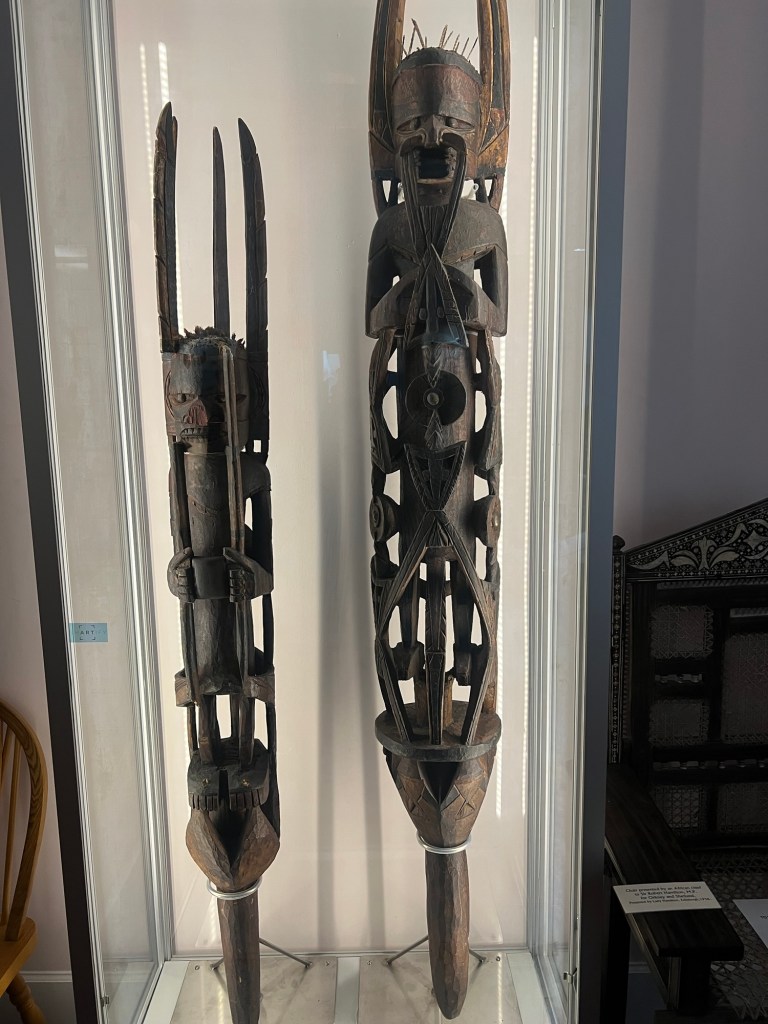
There is a lot of interesting stuff in the museum but it is quite small and difficult to photograph. The most interesting thing is a necklace of human teeth from the Solomon Islands – which has a big sign next to it saying ‘No photographs’.
Jack Renton, the son of an Orcadian farmer left home when he was 14 to go to sea. After several years on sailing ships, he signed up on a steamship in San Francisco. The night before he was due to sail, he was shanghaied onto a sailing ship that was not really seaworthy. After crossing most of the Pacific, he and another two sailors mutinied and left in a small boat. They were blown off course and ended up in the Solomon Islands. The other two died but our man was taken in and became part of the family of a chief. After 8 years, he left on ship that had called in. He had been given the necklace of teeth to prove he was a member of the family – they are the teeth of the ancestors, nothing to do with head hunting. When he got home to Orkney, his father refused to recognise him because he was so suntanned.
There is also the story of Mrs Fraser, after whom Fraser Island in Australia is named. Her husband was a sea captain and when he was unwell when he set off for Australia, she thought she ought to go with him. She left their three children in the care of the local minister and set off. They made it safely to Sydney but were shipwrecked as they were on their way north, trying to avoid the Great Barrier Reef. They and the remaining crew tried to get to land in two small boats but they were separated. Mrs Fraser gave birth to a premature baby en route and her husband died. When the survivors landed on the island, they were taken by the locals and became part of their group. Mrs Fraser was badly sunburned, had tropical ulcers on her legs which the locals tried to cure by cauterising. By the time she was rescued, she was naked and unrecognisable. Her further adventures were less exciting but she ended up in New Zealand, married to the captain of the ship who had rescued her.
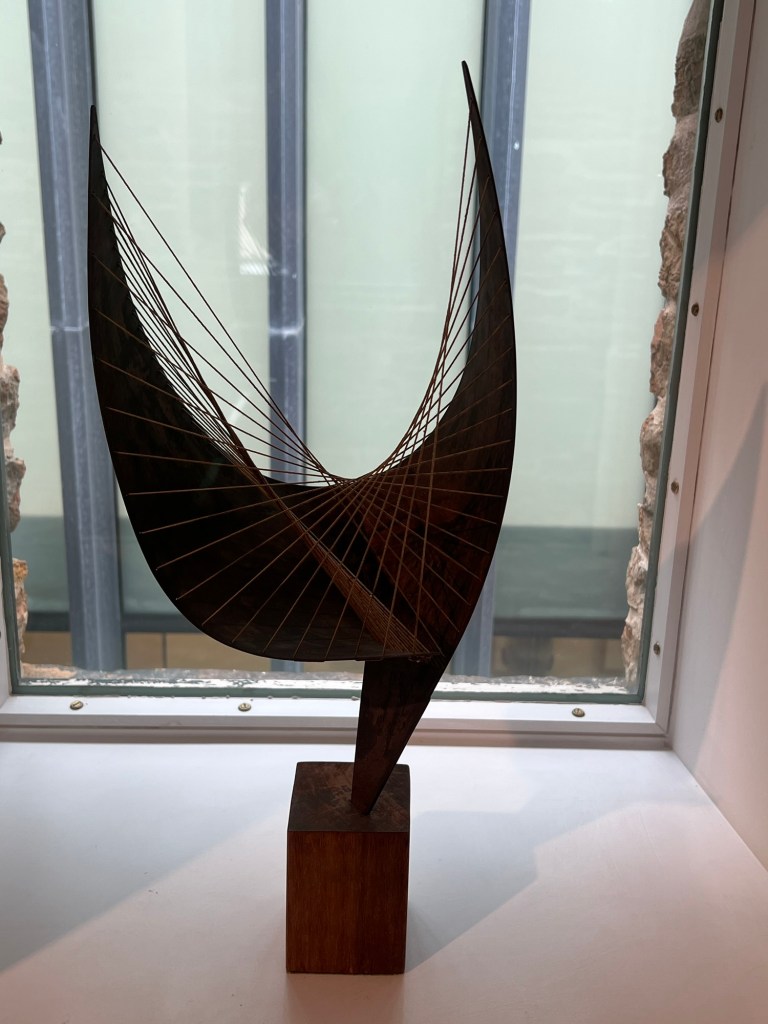
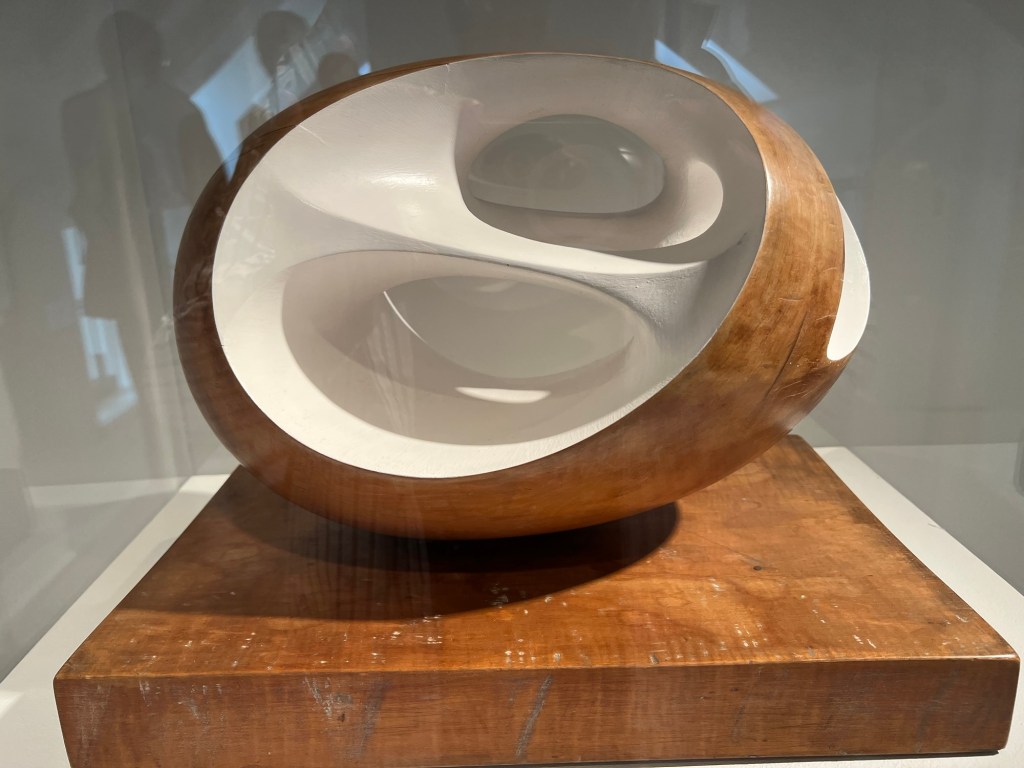
The Pier Arts Centre
https://www.pierartscentre.com
The Ness of Brodgar
The Ness of Brodgar is part of the UNESCO historic environment, the most complex and the latest bit discovered. The digging of it started at the beginning of the 21C and finished in 2024. The site has been covered and left for future archaeologists to discover. The project goes on as there is masses of material to analyse and record.
https://www.nessofbrodgar.co.uk
We had a talk from the Director of the site, telling us all about it. I will not try and remember everything he said – their website should be fairly comprehensive. There is also a film on Time Team’s YouTube channel.


Amazing place, the Ness of Brodgar. You’ve narrowly missed Gavin and Mousa, who were up last week to look at the latest dig on the ’round anomaly’. I have to remember that my brother wants his ashes scattered around a broch, specifically the one on the island of Mousa. Hopefully I won’t have to do it.
LikeLiked by 1 person